
Simple Definition
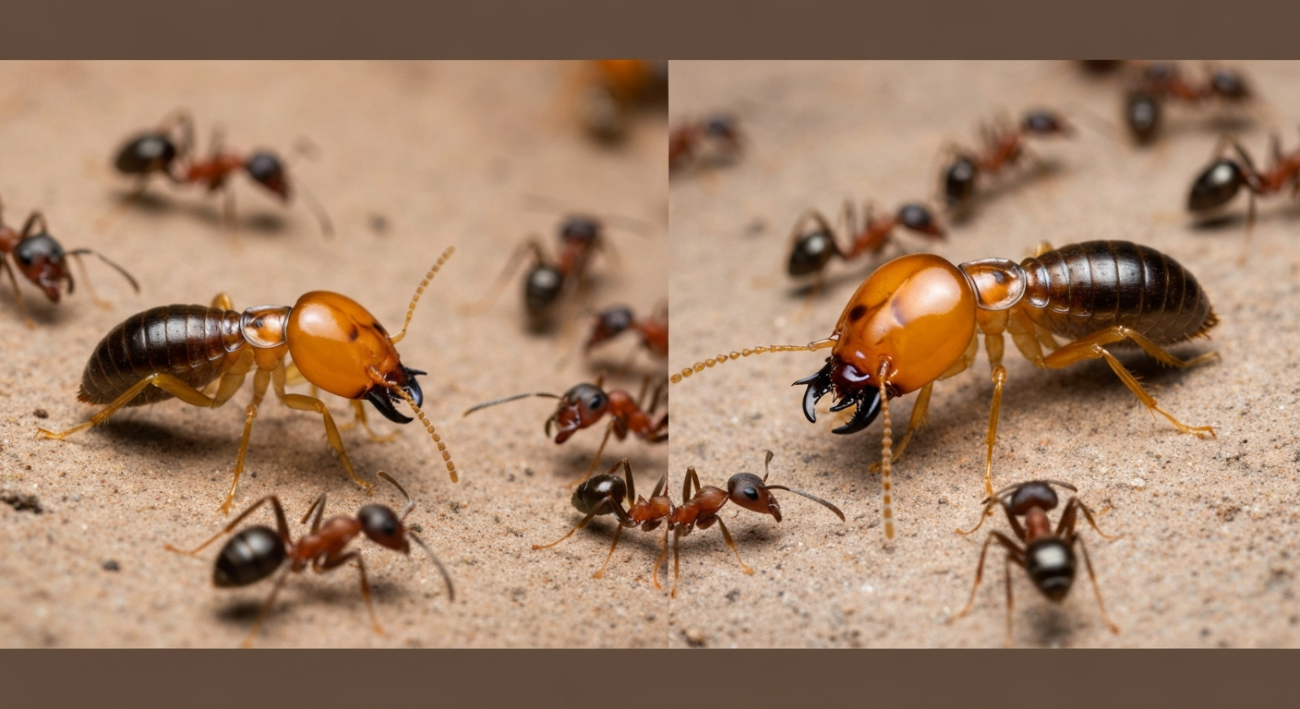
Termite identification is the process of distinguishing termites from other insects, especially ants, based on their unique physical characteristics and behaviors.
Easy Explanation
Simply put, termite identification is all about knowing the tell-tale signs to spot these tiny, wood-eating insects. It helps you figure out if those bugs you’re seeing are harmless or a serious threat to your home. Knowing what to look for makes a big difference!
History and Origin
Termites have been around for millions of years, predating humans by a long shot. They are ancient insects, evolving from cockroach-like ancestors. Their destructive capabilities have been recognized for centuries, leading to early, often rudimentary, methods of pest control and detection. Modern termite identification began to formalize in the late 19th and early 20th centuries as entomologists began to classify species and understand their biology, paving the way for more effective pest management strategies.
Key Terms
Workers: The most numerous caste, responsible for foraging, feeding, and maintaining the colony; they are typically pale and soft-bodied.
Soldiers: Termites with enlarged, often armored heads and strong mandibles, tasked with defending the colony from predators like ants.
Frass: The distinct, pellet-like droppings left by drywood termites, a key sign of their presence.
Mud Tubes: Protective tunnels built by subterranean termites from soil and wood, used for travel and moisture retention.
How It Works
- **Examine Antennae:** Look closely at the antennae. Termites typically have straight, bead-like antennae. Ants, in contrast, have elbowed (bent) antennae.
- **Check the Waist:** Termites have a broad, undefined waist where their thorax meets their abdomen, giving them a more uniform body shape. Ants have a very distinct, constricted ‘pinched’ waist.
- **Inspect the Wings (if present):** If you see winged insects (swarmers), check their wings. Termite swarmers have two pairs of wings that are roughly equal in size and length. Ant swarmers have front wings that are significantly longer than their hind wings.
- **Observe Body Color and Texture:** Worker termites are usually pale white or translucent, with soft bodies. Soldier termites often have darker, armored heads. Ants are typically darker (black, brown, red) and have harder exoskeletons.
- **Look for Signs of Activity:** Beyond seeing the insects themselves, termite identification also involves looking for secondary signs like mud tubes (subterranean termites), discarded wings, or small piles of fecal pellets (frass from drywood termites).
Real-Life Example
Imagine you’re cleaning out your garage and you notice a small pile of what looks like sawdust near a wooden beam. Upon closer inspection, you see tiny, six-legged creatures that are pale white and moving slowly. If you then find a few larger ones with dark heads and strong jaws, you’ve likely just performed a successful termite identification, spotting both worker and soldier termites. This quick observation could save your home from significant damage!
Why It Matters
Accurate termite identification is incredibly important because it allows for early detection of an infestation. Termites can cause extensive and costly structural damage to homes and buildings, often hidden from plain sight. The sooner you identify them, the sooner you can get professional help, preventing further destruction and saving thousands in repairs. It’s the first step in effective pest control.
Broader Implications
The challenge of termite identification continues to drive innovation in pest control. Future implications include advanced sensor technologies for early detection, bio-pesticides that are safer for the environment, and smarter building materials less susceptible to termite attack. As climates change, termite populations and their ranges might shift, making robust identification and management strategies even more critical for protecting infrastructure and homes worldwide.
Common Myths
- Myth: Termites only eat wood. Fact: While wood is their primary food source, termites can damage anything made of cellulose, including paper, fabric, and even insulation.
- Myth: Termites are just a type of ant. Fact: Termites are more closely related to cockroaches, while ants are part of the Hymenoptera order, along with bees and wasps. They have distinct biological differences.
- Myth: You only need to worry about termites if you see them swarming. Fact: Swarming is a sign of an active, mature colony, but worker termites are active year-round and can be doing significant damage unseen.
- Myth: If you don’t see mud tubes, you don’t have termites. Fact: Not all termite species build mud tubes. Drywood termites, for example, live entirely within the wood they infest and leave only small exit holes and frass.
Quick Quiz
Question: What is the key difference in antennae shape that helps distinguish termites from ants?
Answer: Termites have straight, bead-like antennae, while ants have elbowed (bent) antennae.
Summary
Mastering termite identification is a vital skill for homeowners. By carefully observing key physical traits like antennae, waist, and wing shape, you can confidently distinguish termites from other insects, especially ants. Recognizing the different castes—workers, soldiers, and swarmers—and knowing signs like mud tubes or frass are crucial for early detection. Prompt and accurate termite identification ensures you can take quick action to protect your property from these destructive pests.
