
Simple Definition
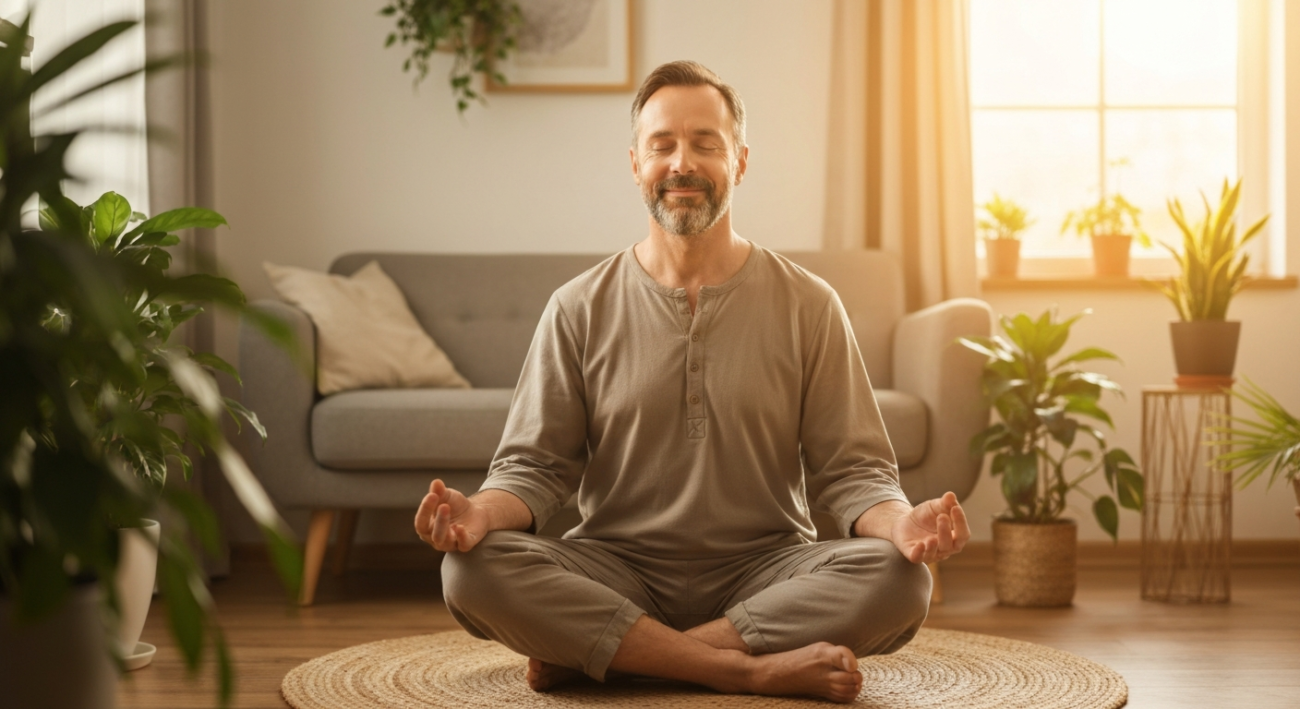
To meditate properly means engaging in a practice that cultivates focused attention and awareness, typically on a specific object like breath, sound, or bodily sensations, with an attitude of non-judgment and openness.
Easy Explanation
Think of meditating properly as giving your mind a gentle workout. Instead of letting your thoughts run wild, you gently guide your attention to one anchor, like your breath. When your mind inevitably wanders (and it will!), you simply notice it without judgment and bring your attention back to your anchor. It’s not about stopping thoughts, but changing your relationship with them, observing them without getting caught up.
Real-Life Example
Imagine you’re watching clouds drift across the sky. You notice each cloud, its shape and movement, but you don’t jump onto a cloud and ride it away. Meditating properly is similar: you observe your thoughts and feelings as they pass by, like clouds, without getting carried away by them. You just watch from a distance, maintaining your inner quiet space.
Why It Matters
Learning to meditate properly can profoundly impact your life, helping to reduce stress and anxiety, improve emotional regulation, enhance focus and concentration, foster self-awareness, and promote overall well-being. It’s like learning a skill that helps you navigate life’s challenges with more calm and clarity, making you more resilient.
Common Myths
- Myth: You need to completely clear your mind of all thoughts. Reality: It’s impossible and not the goal. Thoughts will always arise; the practice is about how you respond to them.
- Myth: Meditation is only for spiritual people or gurus. Reality: Meditation is a secular practice accessible to anyone, regardless of beliefs, seeking mental clarity and peace.
- Myth: You have to sit in a lotus position for hours. Reality: You can meditate in any comfortable position, even lying down or walking, and even short sessions (5-10 minutes) are beneficial.
- Myth: Meditation is about escaping reality. Reality: It’s about becoming more present and aware of reality, enhancing your ability to engage with life.
Summary
Meditating properly isn’t about achieving a blank mind, but rather about cultivating a focused awareness and a non-judgmental attitude towards your inner experience. By gently bringing your attention back to an anchor like your breath whenever your mind wanders, you train your mind to be more present, calm, and resilient. It’s a skill that offers numerous benefits for mental and emotional well-being, accessible to everyone with consistent practice.
