
A Simple Definition
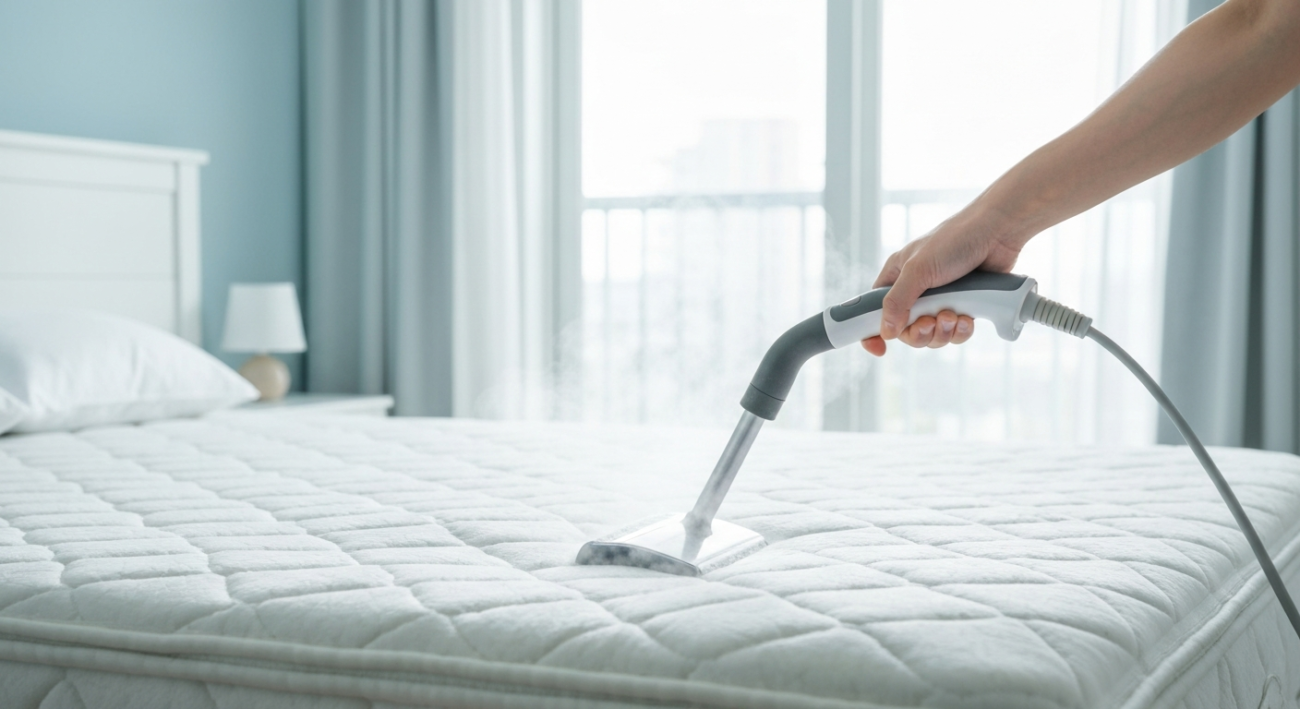
Steam cleaning a mattress involves using a steam cleaner to apply high-temperature steam to the mattress surface, aiming to sanitize and refresh it.
An Easy-to-Understand Explanation
Think of steam cleaning as using very hot water vapor to clean. Instead of harsh chemicals, you’re relying on heat and moisture. When applied to your mattress, this hot steam penetrates the fabric. It helps to loosen dirt, kill dust mites and bacteria, and neutralize odors. The key is using the right technique and ensuring the mattress dries completely to avoid any issues like mold or mildew. It’s often seen as a more natural and chemical-free way to deep clean compared to some other methods.
History and Origin of Steam Cleaning
The concept of using steam for cleaning has a long history, dating back to early industrial applications for sanitation. However, steam cleaners became more common for household use in the latter half of the 20th century. Initially, they were bulky industrial machines. Over time, advancements in technology led to smaller, more portable, and affordable domestic steam cleaners. These modern devices made it practical for homeowners to use steam not just on floors and upholstery, but also on items like mattresses, bringing professional cleaning power into the home. The drive for chemical-free cleaning solutions further propelled their popularity.
Key Related Terms
Dust Mites: Microscopic insects that feed on dead skin cells and commonly live in mattresses, pillows, and upholstery, often triggering allergies.
Sanitization: The process of reducing the number of microorganisms to a safe level, often achieved through heat or chemicals.
Moisture Retention: The ability of a material, like a mattress, to hold onto water, which can be a concern if not properly dried after cleaning.
Mold/Mildew: Types of fungi that can grow in damp environments, posing health risks and damaging materials.
How Mattress Steam Cleaning Actually Works
- Preparation is key. First, vacuum your mattress thoroughly to remove surface dust, dirt, and debris. This step prevents the steam from pushing dirt deeper into the fabric.
- Fill your steam cleaner with distilled water. This helps prevent mineral buildup in the machine and ensures a cleaner steam.
- Attach the appropriate upholstery or fabric attachment. Avoid using attachments designed for hard surfaces.
- Test a small, inconspicuous area of your mattress first. This ensures the fabric won’t be damaged or discolored by the steam. Look for any adverse reactions.
- Work in small sections, moving the steam cleaner slowly over the mattress surface. Keep the nozzle moving to prevent over-saturating any single spot.
- Use short bursts of steam rather than continuous application. This minimizes moisture penetration while still delivering effective heat for sanitization.
- Immediately after steaming a section, use a clean, dry microfibers cloth to blot away excess moisture. This is crucial for faster drying times.
- Ensure proper ventilation during and after cleaning. Open windows and use fans to help air circulate. This speeds up the drying process significantly. You can find more detailed instructions on proper techniques for steam cleaning.
- Allow the mattress to air dry completely for several hours, or even a full day, before putting sheets back on. This prevents mold and mildew growth. Consider using a dehumidifier if humidity is high.
A Real-Life Example
Imagine you’ve had a cold or flu, and you want to ensure your sleeping environment is as hygienic as possible once you’re feeling better. Or perhaps you’ve just moved into a new home and want to refresh the existing mattress. A parent dealing with a child’s bedwetting accident might also consider steam cleaning. In all these scenarios, carefully steam cleaning the mattress can help eliminate germs, bacteria, and odors that might linger. It provides peace of mind, knowing that the deep-seated impurities have been tackled effectively without relying on harsh chemicals that could irritate sensitive skin or respiratory systems.
Why This Concept is Important
Understanding if steam cleaning a mattress is safe is vital for several reasons. First, your mattress is a significant investment, and proper cleaning extends its lifespan. More importantly, it directly impacts your health and well-being. Mattresses can harbor dust mites, allergens, bacteria, and even viruses, all of which can affect sleep quality, trigger allergies, or worsen respiratory conditions. A clean mattress contributes to a healthier sleeping environment and can alleviate symptoms for allergy sufferers. Knowing how to safely steam clean your mattress empowers you to maintain good hygiene without causing damage or creating new problems like mold, which can arise from improper moisture management.
Broader Implications and Future
The discussion around the safety and efficacy of cleaning methods like steam cleaning points to a broader trend towards healthier home environments. As we become more aware of indoor air quality and the impact of chemicals, natural cleaning solutions gain prominence. For mattresses specifically, the future might see more integrated smart features for self-cleaning or materials that are inherently more resistant to allergens and microbes. However, for now, informed cleaning practices remain crucial. The shift towards sustainable and non-toxic cleaning is not just about personal health but also environmental impact. Properly managing mattress hygiene can also influence waste reduction, as well-maintained mattresses last longer, reducing the frequency of replacements. The ongoing development of steam cleaning technology continues to make these tools safer and more efficient for everyday use, further cementing their role in household sanitation.
Common Myths Debunked
- Myth: Steam cleaning will ruin your mattress. Reality: When done correctly, with proper technique and adequate drying, steam cleaning is safe for most mattresses and can be very effective.
- Myth: Steam cleaning alone is enough for major stains. Reality: While steam can lift some dirt, major stains often require pre-treatment with a suitable cleaning solution before steaming for best results.
- Myth: You can’t steam clean a memory foam mattress. Reality: You can, but it requires even greater care to avoid over-saturating the foam. Focus on very light, quick passes and maximum drying time.
- Myth: Steam kills everything instantly. Reality: Steam is highly effective against many pathogens, dust mites, and allergens due to high heat, but it needs proper contact time and temperature to be fully sanitizing.
Test Your Knowledge
Question: What is the single most critical step after steam cleaning your mattress to ensure safety and prevent mold?
Answer: Ensuring the mattress is completely and thoroughly dried before making the bed or using it again.
Final Summary
Understanding whether Is Steam Cleaning a Mattress Safe is straightforward: yes, it can be, but success hinges entirely on careful execution. By prioritizing proper technique, thorough drying, and using appropriate equipment, you can effectively sanitize and refresh your mattress. This chemical-free method is excellent for tackling dust mites and allergens, contributing to a healthier sleep environment. Always remember that patience in drying is key to preventing moisture-related issues, ensuring your mattress remains a clean and comfortable haven.
