
What You’ll Learn
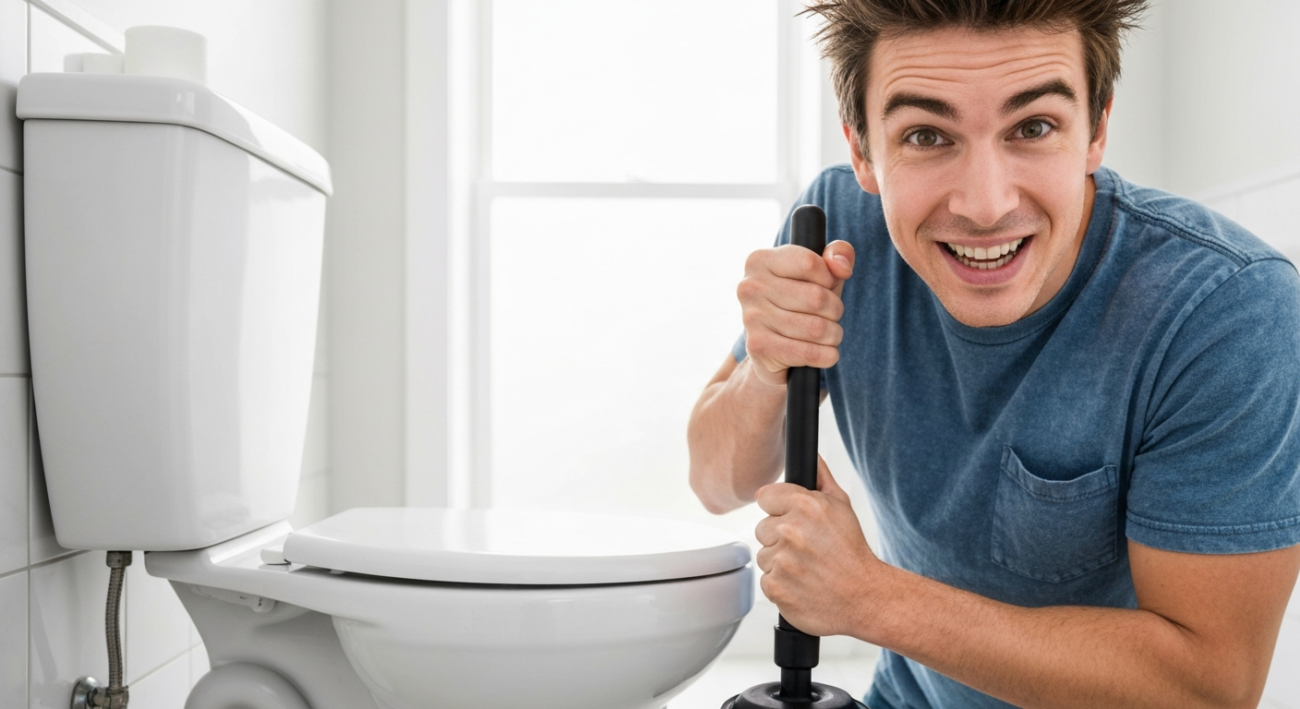
Dealing with a clogged toilet can be a real headache, not to mention a messy situation. But before you panic and dial an expensive plumber, know that most toilet clogs are actually quite simple to fix yourself. This guide will walk you through everything you need to know, from basic plunging techniques to more advanced solutions, empowering you to confidently unclog a toilet and get your bathroom back in working order. You’ll learn the best methods, what tools you’ll need, and how to avoid common mistakes, saving you time, money, and a lot of stress.
What You Need
- Flange plunger (the best kind for toilets)
- Rubber gloves
- Old towels or rags
- A bucket (optional, for overflow or draining water)
- Dish soap
- Toilet auger or snake (for stubborn clogs)
Quick Steps Overview
- Prepare your workspace and turn off the toilet’s water supply.
- Attempt to clear the clog using a flange plunger.
- If plunging fails, try the hot water and dish soap method.
- For persistent clogs, use a toilet auger.
- Flush the toilet to confirm the clog is gone.
Detailed Step-by-Step Guide
Step 1: Preparation is Key: Protect Your Bathroom and Your Hands
Before you even touch the toilet, take a moment to prepare. Lay down old towels or rags around the base of the toilet to protect your floor from any splashes or overflow. Don’t forget to put on your rubber gloves – this is a crucial step for hygiene! Next, locate the water shut-off valve, usually on the wall behind or near the base of the toilet. Turn it clockwise to ensure that if the bowl starts to overflow, you can stop more water from entering. This simple step can prevent a much bigger mess.
Step 2: Unleash the Power of the Plunger
A good quality flange plunger is your first line of defense to unclog a toilet. Make sure the flange (the rubber ring at the bottom) fits snugly into the toilet’s drain opening to create a tight seal. Push the plunger down slowly to expel any air, then pull it back sharply. Repeat this plunging motion with a consistent, forceful rhythm for about 15-20 seconds. The goal is to create suction and pressure that dislodges the blockage. Listen for a gurgling sound or a sudden rush of water, which indicates the clog is moving. After plunging, remove the plunger and see if the water level drops.
Step 3: The Dish Soap and Hot Water Trick (for Lighter Clogs)
If plunging didn’t quite do the trick, or if you suspect the clog is softer, try the dish soap method. Pour about a quarter cup of liquid dish soap directly into the toilet bowl. The soap acts as a lubricant, helping the blockage slide through the pipes. Follow this by slowly pouring a gallon of hot (but not boiling!) water into the bowl. Let it sit for 20-30 minutes. The hot water helps break down the clog, and the dish soap helps it move. After waiting, try flushing the toilet. If it still doesn’t clear, you can try plunging again.
Step 4: Bring in the Big Guns: The Toilet Auger (Snake)
For more stubborn clogs that a plunger and dish soap can’t handle, a toilet auger (also known as a closet auger or toilet snake) is your best bet. This tool is specifically designed for toilets and won’t scratch the porcelain. Carefully insert the end of the auger into the drain opening. Crank the handle to feed the snake deeper into the pipe until you feel resistance. Once you hit the blockage, gently push and twist the handle to break up or hook the obstruction. When you feel the clog give way, carefully pull the auger back out, clearing any debris. Flush the toilet a few times to ensure the pipe is completely clear.
Step 5: Flush and Confirm: Is the Clog Gone?
After attempting any of the above methods, it’s time to check your work. If you turned off the water supply earlier, turn it back on. Now, give the toilet a flush. If the water flows down smoothly and quickly, congratulations! You’ve successfully managed to unclog a toilet. If the water level is still high or drains slowly, repeat the relevant steps. Sometimes a second round of plunging or augering is all it takes to completely clear the blockage.
Common Mistakes to Avoid
- Using a standard cup plunger: These don’t create an effective seal in a toilet bowl; always use a flange plunger.
- Not turning off the water supply: This can lead to an overflowing toilet and a massive mess if your attempts to clear the clog aren’t immediately successful.
- Pouring chemical drain cleaners down the toilet: These can damage pipes, are often ineffective on toilet clogs, and create hazardous fumes.
- Plunging too aggressively: While you need force, being too rough can splash contaminated water everywhere or even damage the toilet’s wax ring seal.
- Ignoring partial clogs: Even slow-draining toilets can worsen, so address them early.
Pro Tips
- Keep a dedicated flange plunger in your bathroom so it’s always handy when a clog strikes.
- To prevent future clogs, avoid flushing anything other than human waste and toilet paper. Wipes (even ‘flushable’ ones), cotton balls, and paper towels are major culprits.
- Consider a periodic maintenance flush: Once a month, pour a bucket of hot water (not boiling) down the toilet to help dissolve any build-up in the trap.
- If you have young children, consider child-proofing the toilet lid or educating them about what not to flush to prevent toys from becoming obstructions.
Final Result
By following these detailed steps, you should have a toilet that flushes freely and efficiently once again, proving that you don’t always need a professional to tackle common household issues like a clogged toilet.
Summary
Learning how to unclog a toilet is an essential skill for any homeowner, saving you both money and inconvenience. By preparing your workspace, using the right tools like a flange plunger or a toilet auger, and knowing when to apply simple remedies like dish soap, you can confidently tackle most toilet blockages. Remember to always prioritize safety and prevention to keep your pipes flowing smoothly and avoid future clogs. With these tips, you’re now equipped to handle this common household problem like a true pro.
