
What You’ll Learn
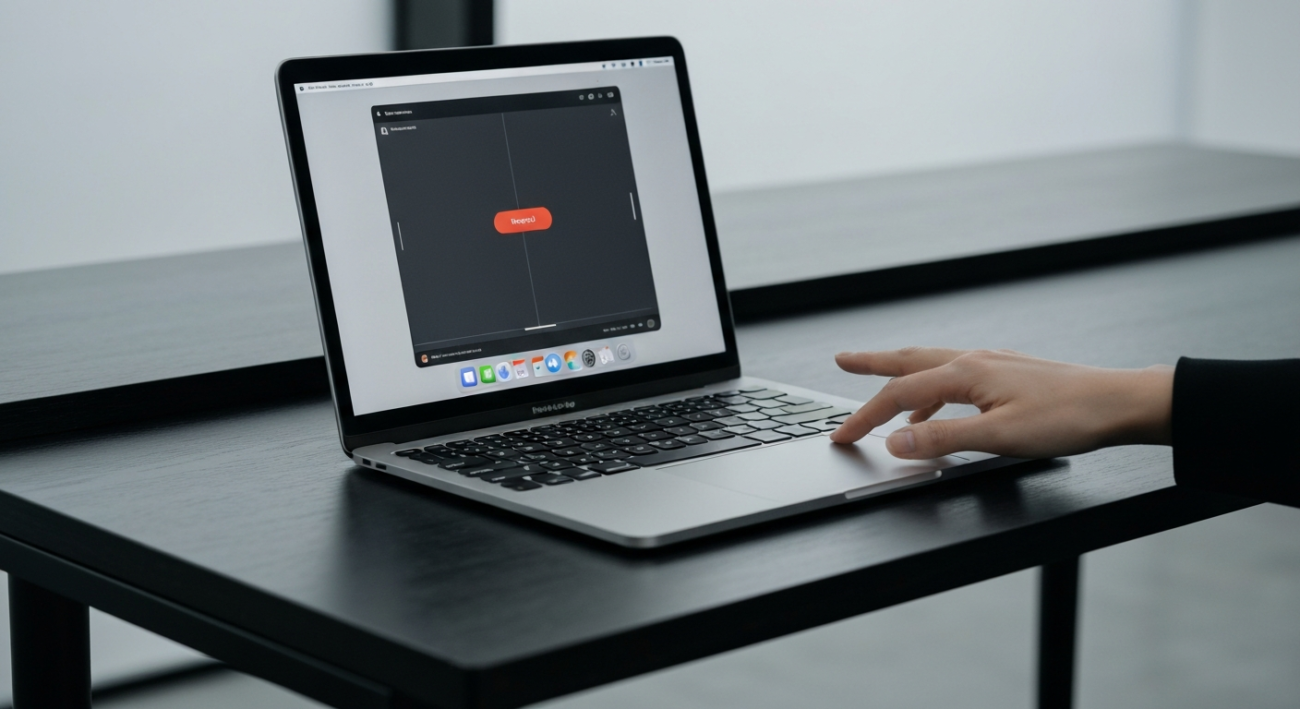
Ever needed to show someone exactly what you’re doing on your computer, explain a tricky software feature, or create a quick tutorial? Learning how to screen record on Mac is a super handy skill that makes all these tasks incredibly easy. Your Mac comes with powerful, built-in tools that let you capture anything on your screen, with or without audio, in just a few clicks. This guide will walk you through everything you need to know to become a screen recording pro.
What You Need
- A Mac computer (iMac, MacBook, Mac mini, Mac Studio)
- macOS Mojave (10.14) or later for the advanced Screenshot toolbar
- Any macOS version for QuickTime Player
Quick Steps Overview
- For macOS Mojave or later: Press Command + Shift + 5 to open the Screenshot toolbar.
- Select your recording area (full screen, selected window, or custom portion).
- Click the Record button in the toolbar.
- To stop, click the Stop icon in the menu bar or press Command + Control + Esc.
- For older macOS versions or more control: Open QuickTime Player, go to File > New Screen Recording.
- Click the Record button and then click anywhere to record the full screen, or drag to select a portion.
Detailed Step-by-Step Guide
Step 1: Method 1: Using the Screenshot Toolbar (macOS Mojave and later)
If your Mac is running macOS Mojave (10.14) or newer, you have access to a fantastic, all-in-one Screenshot toolbar that makes screen recording a breeze. To open it, simply press the Command + Shift + 5 keys simultaneously. This will bring up a small toolbar at the bottom of your screen with various options. You’ll see icons for capturing a still image and two for recording video. Choose the icon that looks like a rectangle with a solid circle inside (Record Entire Screen) or a dashed rectangle with a solid circle inside (Record Selected Portion). If you choose to record a portion, a resizable frame will appear. Drag its edges to define the area you want to capture. Before you hit record, click ‘Options’ in the toolbar. Here, you can choose where to save your recording, set a timer, and select a microphone if you want to record your voice or system audio. Once everything is set, click the ‘Record’ button. To stop recording, click the small square stop icon in your menu bar at the top right of your screen, or press Command + Control + Esc. A thumbnail of your recording will briefly appear in the bottom-right corner, allowing you to quickly trim, share, or save it.
Step 2: Method 2: Using QuickTime Player (All macOS Versions)
QuickTime Player isn’t just for playing videos; it’s a powerful tool for recording them too, and it’s available on all macOS versions. Open QuickTime Player from your Applications folder. Once open, go to ‘File’ in the menu bar at the top of your screen, and select ‘New Screen Recording’. A small recording window will pop up. Just like with the Screenshot toolbar, you’ll see a record button and options to customize your recording. Click the small arrow next to the record button to select your microphone (if you want to add audio commentary) and decide if you want to show mouse clicks in the recording. To start recording, click the circular ‘Record’ button. You can then click anywhere on your screen to record the entire display, or click and drag your mouse to select a specific area to record. When you’re done, click the ‘Stop’ button in the menu bar (it’s a square with a circle) or press Command + Control + Esc. Your recording will open automatically in QuickTime Player, allowing you to review, trim, and then save it by going to File > Save.
Step 3: Consider Third-Party Apps for Advanced Needs
While the built-in tools are excellent for most users who want to screen record on Mac, you might consider third-party applications like OBS Studio (free and open-source) or CleanShot X (paid, feature-rich) if you need more advanced features. These often offer more control over video quality, frame rates, multiple audio tracks, webcam overlays, and professional editing capabilities. They can be particularly useful for gamers, professional content creators, or those needing complex streaming setups.
Common Mistakes to Avoid
- Forgetting to select the correct audio input (microphone) if you want to record your voice or system sounds.
- Not checking the ‘Options’ menu in the Screenshot toolbar or QuickTime for where the recording will be saved, leading to difficulty finding the file later.
- Recording your entire screen when you only needed a small portion, resulting in larger file sizes and unnecessary background elements.
- Ignoring the red ‘Stop’ button or menu bar icon, leading to accidentally long recordings.
Pro Tips
- Always do a short test recording first to check your audio levels and video quality before a crucial session.
- If file size is a concern, record only the specific window or portion of the screen you need, rather than the entire display.
- Use an external microphone for clearer audio quality, especially if you’re narrating.
- After recording, use QuickTime Player’s built-in trimming tool (Edit > Trim) to cut out any unwanted bits from the beginning or end of your video.
Final Result
You will have a high-quality video file saved to your chosen location on your Mac, capturing exactly what you wanted from your screen. This file is ready for sharing, editing, or archiving.
Summary
Knowing how to screen record on Mac is a simple yet powerful skill that enhances your ability to communicate and create. Whether you use the convenient Screenshot toolbar or the versatile QuickTime Player, your Mac provides robust options for capturing screen activity with ease. With these steps, you’re now equipped to create clear, effective screen recordings for any purpose.
