
What You’ll Learn in This Guide
Is your furnace not kicking on? If you have an older gas furnace, a common culprit might be a pilot light that has gone out. Don’t worry, reigniting it is often a straightforward task you can do yourself. This guide will teach you exactly how to light a pilot light on a furnace safely and efficiently. You’ll learn the necessary precautions, gather the right tools, and follow clear, step-by-step instructions to get your heating system back up and running, ensuring a warm and comfortable home.
Why This Method is Recommended
Learning how to light a pilot light on a furnace yourself offers several benefits. Firstly, it saves you the cost and wait time of calling a technician for what can often be a simple fix. This method prioritizes safety, ensuring you understand the risks and how to mitigate them before you even begin. Our approach is designed to be comprehensive, covering everything from identifying your pilot light to understanding common issues. It’s a practical skill for any homeowner with a pilot light furnace, empowering you to address minor heating interruptions with confidence.
Tools and Requirements
- A long match or BBQ lighter
- Flashlight or headlamp
- Small screwdriver (often flathead)
- Safety gloves (optional but recommended)
- Owner’s manual for your furnace (if available)
Quick Steps Overview
- Locate the furnace and ensure the gas supply is on.
- Find the pilot light assembly and control knob.
- Turn the control knob to the “Pilot” setting.
- Ignite the pilot light while holding the knob.
- Hold the knob for a minute after ignition, then release and turn to “On.”
Detailed Step-by-Step Guide
Step 1: Preparation and Safety First
Before you even think about how to light a pilot light on a furnace, safety is paramount. Start by locating your furnace and ensuring there are no gas odors. If you smell gas, do NOT proceed. Open windows, leave the house immediately, and contact your gas company from a safe location. If there’s no gas smell, turn off the power to your furnace at the main circuit breaker. This prevents the burner from unexpectedly turning on while you’re working. Also, familiarize yourself with your furnace’s owner’s manual if you have it; it often has specific instructions for your model.
Step 2: Locate the Pilot Light Assembly
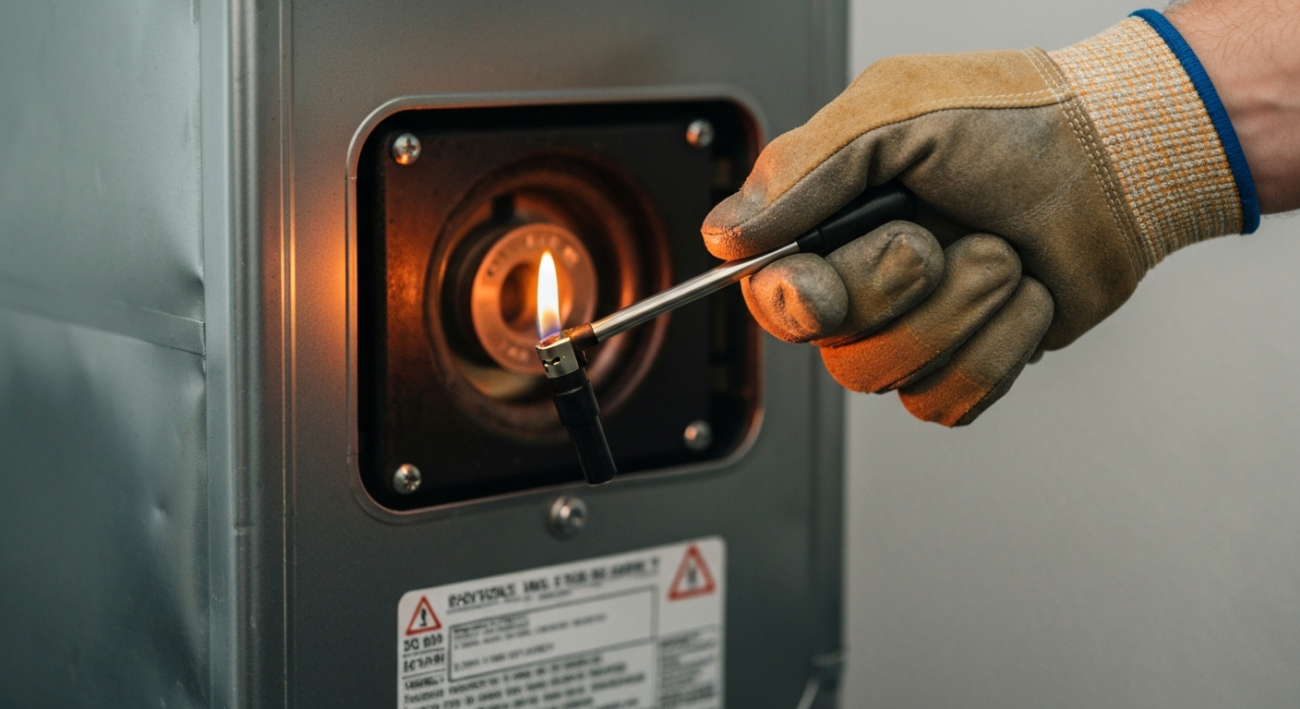
Now it’s time to find the pilot light. This assembly is usually located near the main burner inside the furnace compartment. You might need to remove a metal cover or access panel. Use a flashlight to help you see clearly. Look for a small copper tube leading to a burner with a tiny opening—this is the pilot orifice. Next to it, you’ll see a small reset button or a control knob with settings like “Off,” “Pilot,” and “On.” This entire setup is crucial for understanding how to light a pilot light on a furnace.
Step 3: Turn the Control Knob to “Pilot”
Once you’ve identified the control knob, gently turn it to the “Off” position first. Wait about five minutes. This allows any residual gas to dissipate safely. After the waiting period, turn the knob to the “Pilot” setting. In some older furnaces, you might need to press and hold this knob down to allow gas to flow to the pilot. This action opens the gas valve to the pilot light tube, preparing it for ignition. Ensure it’s firmly in the “Pilot” position before proceeding to the next step to light a pilot light on a furnace.
Step 4: Ignite the Pilot Light
With the control knob set to “Pilot” (and often held down), it’s time to ignite. Take your long match or BBQ lighter. Position the flame directly over the pilot opening. You should hear a slight hiss of gas when you hold the knob down. Once the pilot flame ignites, continue to hold the control knob down for at least 30 to 60 seconds. This crucial step allows the thermocouple—a safety device that senses the pilot flame—to heat up sufficiently. If the thermocouple doesn’t get hot enough, the pilot light will extinguish when you release the knob.
Step 5: Release and Turn to “On”
After holding the control knob down for the recommended time (allowing the thermocouple to heat up), carefully release it. The pilot flame should remain lit. If it goes out, repeat the ignition process from step 3. Once the pilot flame is stable, turn the control knob from “Pilot” to the “On” position. You should then restore power to your furnace at the circuit breaker. The main burners should ignite shortly after, and you’ll feel warm air starting to come through your vents. Congratulations, you’ve successfully learned how to light a pilot light on a furnace!
Troubleshooting Common Issues
Pilot light won’t stay lit after releasing the knob.
The thermocouple might be dirty, faulty, or not positioned correctly. Try cleaning the thermocouple tip gently with fine-grit sandpaper. If it still won’t stay lit, it likely needs replacement by a professional.
No gas hissing sound when trying to light.
Check if the main gas supply valve to the furnace is fully open. Ensure the control knob is firmly in the “Pilot” position and held down correctly. If the problem persists, there might be an issue with the gas line or valve, requiring professional assistance.
Common Mistakes to Avoid
- Ignoring gas smells: Always prioritize safety. If you smell gas, evacuate and call for help; do not attempt to light the pilot.
- Not waiting long enough: Rushing to release the control knob before the thermocouple is adequately heated will cause the pilot to go out.
- Using too short a lighter: This puts your hand too close to the burner area, which can be dangerous. Always use a long match or BBQ lighter.
- Not turning off the power: Forgetting to cut electrical power to the furnace before working on it can lead to unexpected starts of the main burner.
Expert Pro-Tips
- Keep your furnace area clean: Dust and debris can clog the pilot orifice or affect the thermocouple’s operation. Regular cleaning helps prevent issues.
- Know your furnace type: Modern furnaces often have electronic ignitions and no pilot light. Confirm your furnace type before attempting these steps.
- Professional maintenance: Even if you can light it, an annual professional inspection can catch underlying issues before they become major problems.
- Document the process: Take a photo or video of the pilot assembly and control settings before you start, especially if you’re unsure, for future reference.
The Final Result
After successfully following these steps, you should hear your furnace’s main burners ignite and feel warm air flowing through your home’s vents. The pilot light will be a small, steady blue flame, and the heating cycle will resume as normal. You’ve successfully learned how to light a pilot light on a furnace, restoring warmth and comfort without needing a service call.
Concluding Summary
Knowing how to light a pilot light on a furnace is a valuable skill for any homeowner with an older gas heating system. By following this comprehensive guide, you’ve learned to safely prepare, locate, and reignite your furnace’s pilot light. Remember to always prioritize safety by checking for gas leaks and shutting off power. With a long lighter, patience, and these clear instructions, you can quickly address a common heating issue and ensure your home remains warm and cozy. Don’t let a minor inconvenience leave you in the cold – empower yourself with this essential maintenance knowledge.
