
Stop That Constant Toilet Refill Cycle!
A constantly refilling toilet is often caused by a faulty fill valve. This component controls water entering the tank. Learning to fix a toilet fill valve can stop water waste and annoying noises quickly.
The Silent Culprit: Understanding Your Toilet’s Fill Valve
For many years, the inner workings of a toilet tank have remained largely unchanged. At its heart is the fill valve, a seemingly simple device responsible for refilling the tank after each flush. Historically, these valves were often brass and quite robust, but modern versions typically use plastic and rubber components. Their primary job is to precisely control the flow of water from your home’s supply line into the toilet tank. Once the tank reaches the correct water level, the fill valve should shut off completely. However, over time, wear and tear, mineral buildup, or manufacturing defects can cause this critical part to malfunction, leading to a frustrating issue: a toilet that constantly runs or refills on its own. Understanding its function is the first step to efficiently fix toilet fill valve issues.
What Exactly is a Toilet Fill Valve?
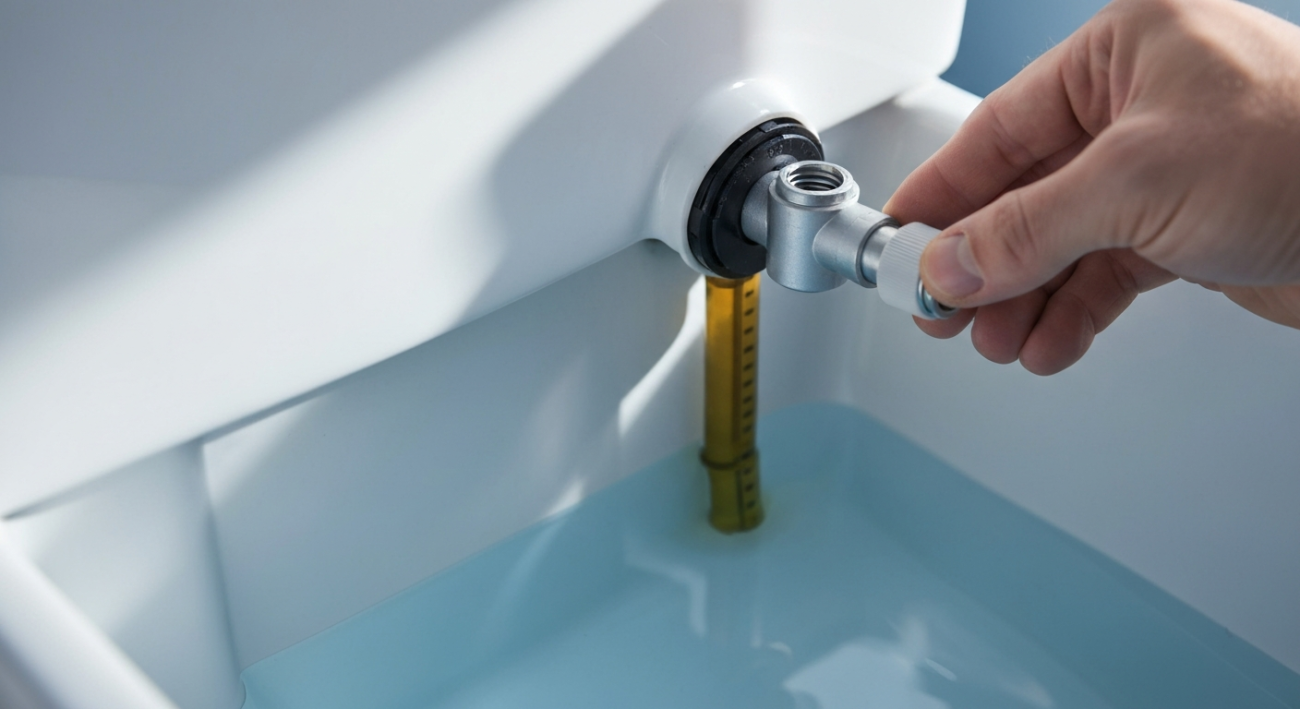
The toilet fill valve, sometimes called the ballcock, is the tall plastic or metal mechanism inside your toilet tank, usually on the left side. It connects to your home’s water supply and senses the water level in the tank. When you flush, the water drains, and the float mechanism on the fill valve drops. This drop triggers the valve to open, allowing fresh water to flow into the tank and refill it. As the water level rises, the float rises with it. Once the water reaches a predetermined level, the float lifts high enough to signal the valve to close, stopping the water flow. If your toilet keeps running, you might have a problem with its fill valve. Understanding how to fix a running toilet often starts here. A common sign you need to fix toilet fill valve problems is that irritating, ceaseless refilling sound.
Essential Insights for Toilet Fill Valve Repair
Diagnosis is Key
Before you attempt any repairs, correctly identifying the fill valve as the source of the problem is crucial. Look for a constant trickle or an ongoing refill cycle.
Simple Adjustments Often Work
Many fill valve issues, especially constant running, can be resolved with minor adjustments to the float or the fill tube, preventing unnecessary replacements.
Replacement is Straightforward
If adjustments fail, replacing the fill valve is a common DIY task. It requires basic tools and can significantly improve your toilet’s efficiency.
Why Fixing Your Running Toilet is Urgent
- Wasted Water: A constantly running toilet can waste hundreds of gallons of water per day, leading to significantly higher water bills.
- Annoying Noise: The constant trickling or refilling sound can be incredibly irritating, especially at night, disturbing your peace and quiet.
- Potential Damage: While less common, continuous water flow can sometimes exacerbate existing minor leaks or wear down other toilet components prematurely.
- Environmental Impact: Reducing water waste contributes positively to water conservation efforts and is better for the environment.
Step-by-Step Guide to Fix a Toilet Fill Valve
Step 1: Diagnose the Problem
First, listen closely. Do you hear a constant hiss or a periodic refilling sound when the toilet hasn’t been flushed? Open the tank lid. Check the water level. It should be just below the top of the overflow tube. If water is trickling into the overflow tube, or if the water level is too high, your fill valve is likely the culprit. You can also try adding a few drops of food coloring to the tank water without flushing. Wait about 15-20 minutes. If the color appears in the bowl, you have a leak, often originating from a faulty flapper or a fill valve that’s allowing water to constantly trickle.
Step 2: Adjust the Fill Valve (First Attempt)
Many modern fill valves have an adjustable float cup or arm. Locate the adjustment screw or clip on the fill valve assembly. It’s usually a small knob or a clip that slides along a vertical rod. Turn the screw clockwise or slide the clip down to lower the water level. The goal is to set the water level about an inch below the top of the overflow tube. This ensures water doesn’t spill into the overflow, which causes constant refilling. Flush the toilet and observe if the new water level properly triggers the fill valve to shut off. If the problem persists, the valve itself might be faulty and require replacement rather than a simple adjustment. This is a common method to fix toilet fill valve issues without extensive work.
Step 3: Replace the Fill Valve (If Adjustment Fails)
If adjusting doesn’t work, it’s time for a replacement. First, turn off the water supply to the toilet, usually via a small shut-off valve near the base of the toilet. Flush the toilet to empty the tank. Disconnect the water supply line from the bottom of the fill valve. Use a wrench if needed. Inside the tank, unscrew the large nut holding the fill valve in place at the bottom. Carefully lift the old fill valve out. Install the new fill valve by reversing these steps. Ensure it’s straight, tighten the nut securely but don’t overtighten, and reconnect the water supply line. Turn the water back on slowly and check for leaks. Adjust the water level as described in Step 2. Replacing the fill valve is a definitive way to fix toilet fill valve problems when other methods fail.
Common Myths About Running Toilets Debunked
A running toilet means I need a whole new toilet.
Reality: In most cases, a running toilet can be fixed by replacing inexpensive internal components like the fill valve or flapper, not the entire fixture. Don’t rush to buy a new toilet.
A running toilet isn’t a big deal, just a minor annoyance.
Reality: While it might seem minor, a running toilet can waste thousands of gallons of water per month, significantly increasing your water bill and impacting the environment. It’s an issue worth fixing promptly.
Toilet repairs are too complicated for a DIYer.
Reality: Many common toilet repairs, including replacing a fill valve, are quite straightforward and can be done by homeowners with basic tools and a little guidance. You don’t always need a plumber.
Helpful Extra Tips for Toilet Maintenance
- Regularly check your toilet for leaks by adding food coloring to the tank. If it appears in the bowl after 15-20 minutes, you have a leak to address.
- Clean your toilet tank annually to remove mineral buildup, which can interfere with the proper functioning of the fill valve and flapper.
- Consider upgrading to a fluidmaster 400A fill valve or similar universal model, as they are generally reliable and easy to install.
- When replacing parts, always turn off the water supply to the toilet first to prevent flooding.
- Keep a small bucket and towels handy during any toilet repair to catch drips and spills.
When to Call a Professional Plumber
- If you’ve followed all the steps to fix toilet fill valve issues and the problem persists, it might be an indication of a more complex plumbing issue.
- If you’re uncomfortable performing the repair yourself or lack the necessary tools and confidence.
- If you notice water leaking from the base of the toilet or the supply line connection that you cannot easily stop or fix.
- If your water shut-off valve is stuck, broken, or not working, preventing you from isolating the water supply to the toilet.
Take Control of Your Toilet’s Performance
A constantly running toilet is more than just a nuisance; it’s a drain on your wallet and a waste of precious resources. Fortunately, learning to fix a toilet fill valve is a manageable task for most homeowners. By understanding how this crucial component works, diagnosing common issues, and following a few simple steps, you can effectively stop the constant refilling, restore peace to your bathroom, and significantly reduce your water consumption. Don’t let a faulty fill valve cause unnecessary stress or expense. A quick fix can make a big difference.
Frequently Asked Questions
How long does a toilet fill valve typically last?
A toilet fill valve typically lasts between 5 to 10 years. Its lifespan can be affected by water quality (e.g., hard water leading to mineral buildup) and frequency of use. Regular cleaning can sometimes extend its life.
Can I replace just parts of the fill valve, or do I need to replace the whole unit?
While some fill valves allow for replacement of smaller components like the seal or float, it’s often more cost-effective and reliable to replace the entire fill valve assembly, especially if it’s an older unit or heavily worn. Universal replacement kits are readily available.
What tools do I need to fix a toilet fill valve?
Basic tools needed include a screwdriver (flathead or Phillips, depending on the valve), an adjustable wrench or a pair of pliers, a sponge or old towel for drips, and potentially a bucket. A new fill valve kit will also be essential.
