
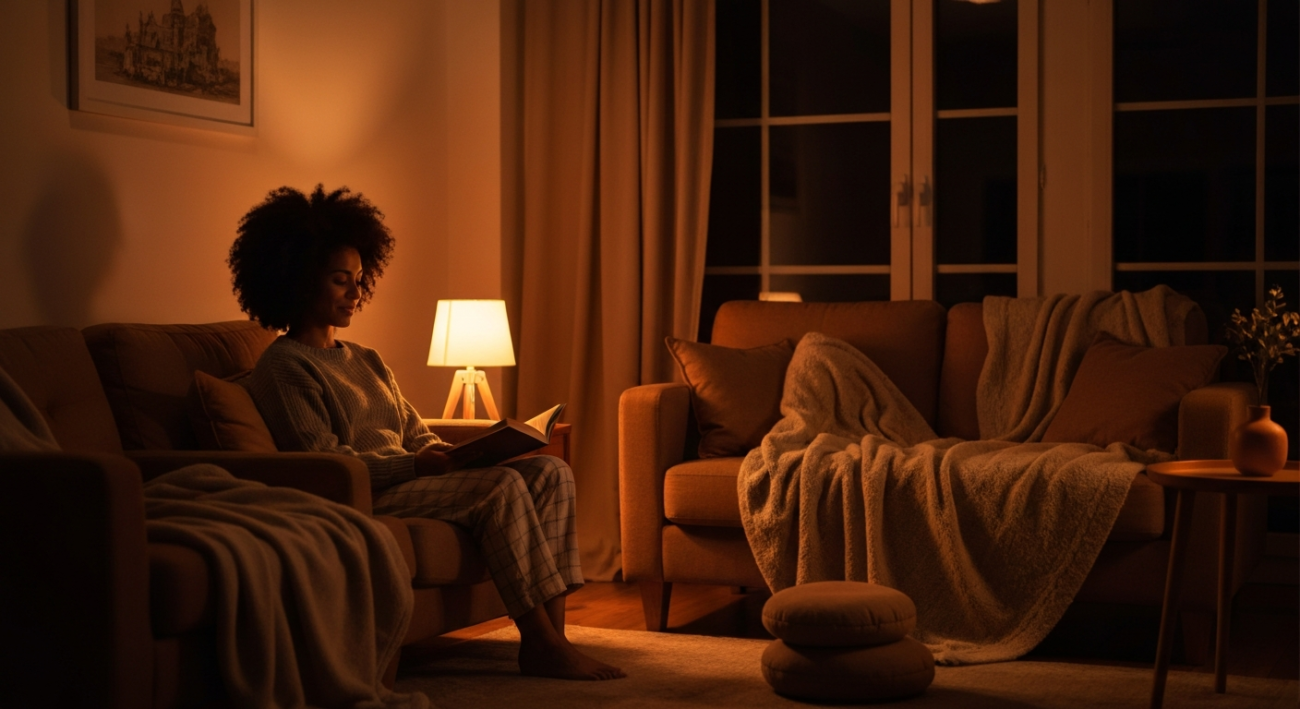
Unlock a Peaceful Evening Routine
Do you often find yourself rushing through the evening, feeling stressed even after the workday is done? Learning how to end your day calmly is not just a luxury; it’s essential for your well-being. This guide will walk you through practical, easy-to-implement strategies to unwind, clear your mind, and transition smoothly from a busy day to a restful night. You’ll discover how to create a personalized evening routine that reduces stress, improves sleep quality, and helps you feel more refreshed and ready for tomorrow. Get ready to transform your evenings into a sanctuary of peace.
Why Prioritizing a Calm Evening Matters
Many approaches to evening routines exist, but focusing on calm and intentional winding down offers unique benefits. This method isn’t about adding more tasks to your day; it’s about shifting your mindset and creating space for peace. By dedicating time to truly decompress, you actively combat the build-up of daily stress. Unlike just collapsing onto the couch, these strategies encourage mindful disengagement from the day’s pressures. This proactive approach improves mental clarity, boosts your mood, and significantly enhances the quality of your sleep, making you more productive and resilient the next day. It’s about setting yourself up for success, starting with a peaceful night.
Simple Tools for Your Evening Wind-Down
- A comfortable, quiet space
- A journal or notebook and pen
- Herbal tea or a glass of water
- A source of soft, warm light (lamps, candles)
- Your favorite calming music or nature sounds (optional)
- A timer (your phone’s will do)
- Comfortable clothing
Your Quick Path to a Calm Evening
- Disconnect from digital devices and work.
- Tidy your space to create a peaceful environment.
- Engage in a relaxing activity like reading or journaling.
- Practice gentle stretching or deep breathing.
- Prepare for sleep with a warm drink and a quiet mind.
Your Detailed Guide to a Calm Evening Routine
Step 1: Disconnect and Detox Digitally
The first crucial step on how to end your day calmly is to intentionally disconnect. About 60-90 minutes before you plan to sleep, put away your phone, tablet, and turn off the TV. The blue light emitted by screens can disrupt melatonin production, making it harder to fall asleep. Instead of scrolling, use this time to shift gears from active engagement to passive relaxation. Let your mind begin to quiet down without constant stimulation. This break from screens is vital for signaling to your brain that the day’s active period is winding down.
Step 2: Create a Tranquil Environment
Your physical surroundings greatly impact your mental state. Take a few minutes to tidy up your immediate space. Clear clutter from your bedside table, put away clothes, and dim the lights. Consider lighting a candle or using an essential oil diffuser with calming scents like lavender or chamomile. A clean, organized, and softly lit room sends a clear signal to your brain that it’s time to relax and unwind. This simple act of preparation helps you transition into a more peaceful evening, reducing visual noise and promoting serenity.
Step 3: Engage in a Mindful, Calming Activity
Instead of filling your quiet time with more passive entertainment, choose an activity that actively promotes calm. This could be reading a physical book, journaling about your day, listening to gentle music, or engaging in a light hobby like knitting. The goal is to choose something enjoyable that doesn’t demand intense focus or stimulate your mind too much. This mindful engagement helps you process thoughts and feelings from the day without getting overwhelmed, allowing you to truly end your day calmly and enjoy a moment of personal reflection.
Step 4: Practice Gentle Relaxation
Incorporate a brief period of physical relaxation. This doesn’t need to be a full yoga session. Simple activities like a few minutes of gentle stretching, deep breathing exercises, or a warm bath or shower can significantly reduce physical tension. Focus on slow, deliberate movements and deep diaphragmatic breaths that expand your abdomen. This practice signals to your body that it’s time to wind down, releasing stored stress and making it easier to fall into a restful sleep. It’s a key component of how to end your day calmly, preparing both body and mind.
Step 5: Reflect and Prepare for Tomorrow
Before completely closing your eyes, take a moment for reflection. Avoid dwelling on anxieties. Instead, you can jot down any lingering thoughts or tasks for the next day in a notebook. This ‘brain dump’ helps clear your mind, preventing worries from keeping you awake. You can also think of three things you’re grateful for from the day. This simple practice of gratitude and organization sets a positive tone, helping you truly end your day calmly and look forward to a fresh start without the burden of unfinished mental business.
Overcoming Evening Wind-Down Challenges
I can’t stop thinking about work or daily tasks.
Try a ‘brain dump’ journaling session 1-2 hours before bed. Write down everything on your mind – tasks, worries, ideas. This helps get them out of your head and onto paper, making it easier to let go for the night.
I feel restless and can’t settle down.
Ensure you’re not consuming caffeine or heavy meals too late. Try a short, very gentle walk outside or a guided meditation specifically for sleep to help calm your physical and mental energy.
I feel bored without my devices.
Experiment with different analog activities. Try reading a novel, listening to a podcast or audiobook with your eyes closed, solving a puzzle, or a creative hobby. It takes time to build new habits, so be patient.
Common Mistakes to Avoid for a Calm Evening
- Checking work emails or social media right before bed. This stimulates your brain and can trigger stress or anxiety, undoing all your efforts to end your day calmly.
- Eating a heavy meal or consuming alcohol/caffeine late in the evening. These can disrupt sleep patterns and make it harder for your body to fully relax and digest.
- Trying to ‘force’ relaxation. Relaxation is a state that often comes when you stop trying so hard. Be gentle with yourself and consistent with your routine.
- Not having a consistent bedtime routine. Your body thrives on routine; irregular sleep times can throw off your internal clock and make winding down more difficult.
Expert Pro-Tips for Deeper Evening Calm
- Incorporate aromatherapy. A few drops of lavender or chamomile essential oil in a diffuser, bath, or on your pillow can significantly enhance relaxation and help you on how to end your day calmly.
- Practice a gratitude exercise. Before you go to sleep, mentally list three good things that happened during your day. This positive focus can shift your mindset from stress to contentment.
- Optimize your bedroom for sleep. Ensure it’s dark, cool (around 65°F or 18°C), and quiet. Use blackout curtains, earplugs, or a white noise machine if necessary to create your ideal sleep sanctuary.
- Journaling doesn’t have to be long. Even just a few sentences reflecting on your day or planning for tomorrow can be incredibly effective for clearing your mind and reducing mental clutter.
Embrace Your Peaceful Evening
By consistently applying these strategies, you will achieve a state of true calm as your day concludes. You’ll find yourself feeling less stressed, more present, and significantly more prepared for restful sleep. The racing thoughts will diminish, replaced by a sense of tranquility. Waking up will feel more refreshing, and you’ll carry a renewed sense of peace into the next day. This isn’t just about ending one day well; it’s about building a foundation for a more peaceful and productive life, one calm evening at a time.
A Gentle Close to Your Day
Learning how to end your day calmly is a powerful act of self-care. By intentionally disconnecting from digital distractions, cultivating a serene environment, engaging in mindful activities, and practicing gentle relaxation, you can transform your evenings. These simple yet effective steps allow you to unwind fully, mitigate the day’s stresses, and prepare your body and mind for deep, restorative sleep. Embrace these practices consistently, and you’ll not only enjoy more peaceful nights but also experience greater clarity, energy, and well-being in your waking hours. Prioritizing your evening calm is an investment in your overall health and happiness.
