
What You’ll Learn in This Guide
Dealing with a wet carpet can be a major headache. Whether it’s from an accidental spill, a leaky pipe, or a thorough cleaning, getting it dry quickly is crucial. Lingering moisture can lead to unpleasant odors, stubborn stains, and even harmful mold and mildew growth. This comprehensive guide will teach you exactly how to dry carpet fast using effective, proven methods. You’ll learn the best steps to take, the right tools to use, and essential tips to ensure your carpet is completely dry, fresh, and free from any long-term damage. By following these steps, you’ll protect your home and keep your carpet looking its best.
Why This Method is Recommended
Our recommended method for how to dry carpet fast combines several powerful techniques. We focus on a multi-pronged approach that tackles moisture from all angles: immediate water removal, aggressive air circulation, and effective dehumidification. Simply relying on one method, like just opening a window, often isn’t enough to dry a carpet thoroughly and prevent deeper issues. This integrated strategy ensures that both the surface and underlying padding dry quickly and completely. This proactive approach minimizes the risk of mold, mildew, and lasting damage, saving you time, money, and potential health concerns in the long run. It’s the most efficient and safest way to restore your carpet.
Tools and Requirements
- Plenty of clean, dry towels or microfiber cloths
- Wet/dry vacuum (shop vac)
- High-powered fans (box fans, air movers, or carpet dryers)
- Dehumidifier
- Window fan (optional, for exhausting humid air)
- Baking soda or carpet deodorizer (optional)
- Rubber gloves (if water is from a potential contaminant)
Quick Steps Overview
- Act immediately to remove as much standing water as possible.
- Use a wet/dry vacuum to extract deep moisture from the carpet.
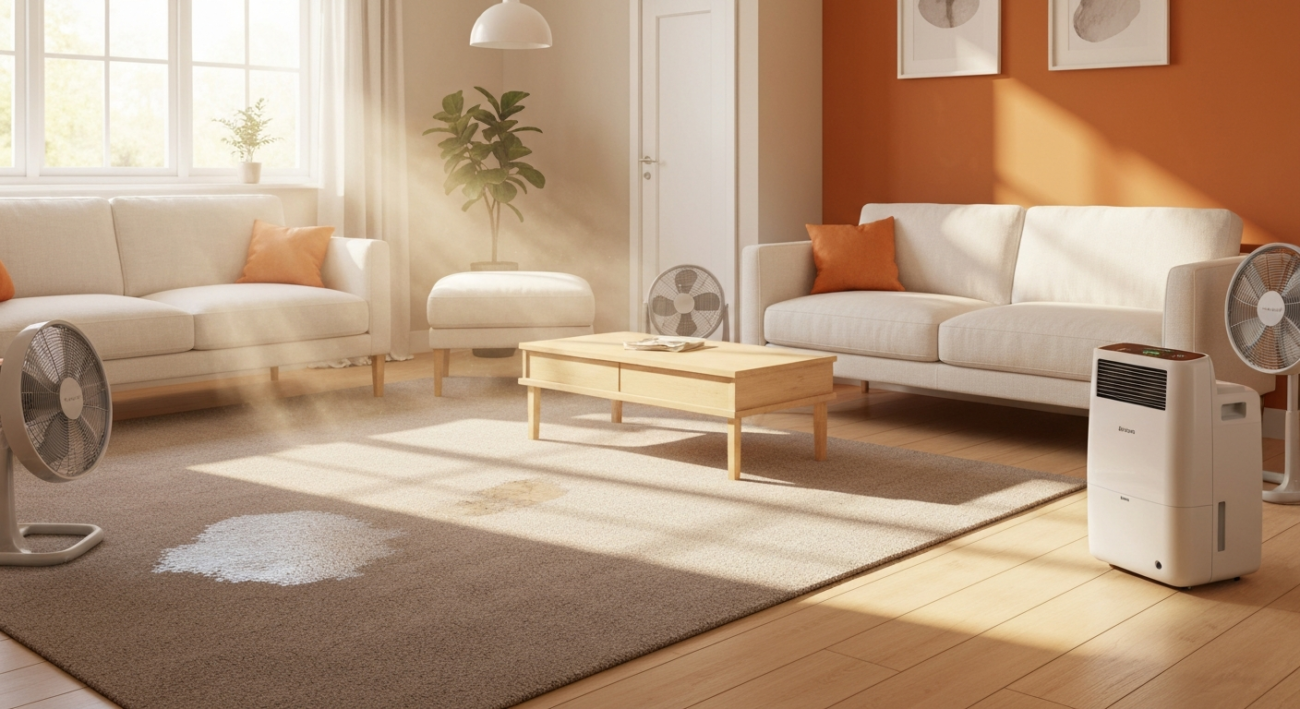
- Set up fans to maximize air circulation over and under the wet area.
- Place a dehumidifier in the room to pull moisture from the air.
- Monitor the carpet’s dryness and address any lingering damp spots.
- Apply deodorizers if necessary once completely dry.
Detailed Step-by-Step Guide
Step 1: 1. Remove Excess Water Immediately
The very first and most critical step when you need to know how to dry carpet fast is to remove as much standing water as possible, right away. Every minute counts to prevent water from soaking deeper into the carpet fibers and padding. Use clean, dry towels to blot up water. Press down firmly and then wring them out. Repeat this process with fresh towels until no more water transfers to them. For larger areas or significant spills, a wet/dry vacuum (shop vac) is invaluable. Go over the affected area slowly and thoroughly, making multiple passes to extract maximum moisture. The more water you remove manually at this stage, the faster the rest of the drying process will be. If the water source is a burst pipe, shut off the main water supply immediately.
Step 2: 2. Maximize Air Circulation
Once you’ve removed the bulk of the water, the next step in how to dry carpet fast is to introduce plenty of air movement. Open windows and doors to create cross-ventilation, weather permitting. This helps humid air escape and dry air enter. Then, strategically place high-powered fans around the wet area. Position them so they blow directly onto the carpet’s surface. For even faster drying, consider placing one fan to blow underneath the carpet if you can lift a corner, aiming to dry the padding directly. Oscillating fans are great for covering a wider area. The goal is to keep the air moving constantly over the damp spots, encouraging evaporation. Ensure all furniture is moved off the wet carpet to allow for unobstructed airflow.
Step 3: 3. Employ a Dehumidifier
Air movement alone might not be enough if your indoor humidity is high. This is where a dehumidifier becomes essential to how to dry carpet fast. A dehumidifier works by pulling moisture directly from the air, reducing the overall humidity level in the room. Place the dehumidifier in the affected room, close windows and doors (after initial ventilation), and let it run continuously. Empty its water reservoir regularly. By reducing the ambient humidity, the air can absorb more moisture from the carpet, significantly speeding up the drying process. Combine this with fans for the most effective outcome.
Step 4: 4. Lift and Elevate Carpet (If Possible)
For extensive water damage or stubborn wet spots, consider carefully lifting the carpet. If the area is small, you might be able to gently pull back a corner of the carpet from the tack strips. If it’s a larger section, you might need a carpet knife to cut a manageable section, or consider hiring a professional. Once lifted, you can place blocks or propping devices underneath to create an air gap between the carpet and the padding. This exposes both sides of the carpet and the padding to direct airflow, drastically accelerating drying. Ensure the padding also dries completely, as it’s a common hiding spot for moisture and mold. Only do this if you feel comfortable reinstalling the carpet or plan to replace it.
Step 5: 5. Clean and Deodorize the Area
Once the carpet feels dry to the touch, it’s a good idea to thoroughly clean and deodorize the area. Even with fast drying, some residue or a faint musty smell might remain, especially if the water wasn’t clean. Lightly sprinkle baking soda over the dried carpet. Let it sit for several hours, or even overnight, to absorb any lingering odors. Then, vacuum the baking soda thoroughly. You can also use a carpet-safe deodorizer spray. If the water was particularly dirty or the smell persists, a steam cleaner might be needed, but ensure the carpet is completely dry first to avoid reintroducing moisture. Proper cleaning ensures your efforts to know how to dry carpet fast result in a fresh-smelling room.
Step 6: 6. Monitor and Repeat Until Fully Dry
Drying carpet isn’t a one-time effort; it’s a process that requires vigilance. Continue to run fans and the dehumidifier until the carpet, and crucially, the padding underneath, is completely dry to the touch. Check for dampness by pressing a dry towel firmly onto the carpet in various spots. You can also use a moisture meter for a more accurate reading. If the carpet still feels cool or damp, continue the drying process. Don’t rush this step. Allowing even a small amount of moisture to remain can lead to mold growth down the line. It’s better to over-dry slightly than to leave any dampness behind. This persistent monitoring is key to how to dry carpet fast and effectively.
Troubleshooting Common Issues
Carpet still feels damp after a day or two.
Increase airflow by adding more fans or repositioning existing ones. Ensure your dehumidifier is running continuously and that windows are closed to keep external humidity out. Consider gently lifting a corner of the carpet to dry the padding directly.
Lingering musty smell despite the carpet feeling dry.
The smell often indicates trapped moisture in the padding or subfloor, or residual mold spores. Re-run the drying process for longer. Sprinkle baking soda generously, let it sit overnight, and vacuum. If the smell persists, a professional carpet cleaner or restoration specialist might be needed to assess hidden moisture or mold.
Stains appearing or reappearing after drying.
This can happen if the water was dirty or if old stains wicked up to the surface. Use a suitable carpet cleaner for the specific type of stain. Blot gently, do not rub. You might need to repeat cleaning several times. If it’s a large area, a professional might have more effective solutions.
Common Mistakes to Avoid
- Not acting quickly enough: Delaying even a few hours can allow water to saturate deeper and increase mold risk.
- Underestimating the wetness of the padding: The padding can hold significantly more water than the carpet itself, and it dries much slower.
- Not using enough air movement: A single fan is rarely sufficient for how to dry carpet fast and thoroughly.
- Closing off the room completely: While dehumidifiers work best in a closed space, ensure initial ventilation to exhaust the most humid air.
- Using heat without ventilation: High heat can encourage mold growth in damp conditions if moisture isn’t effectively removed from the air.
- Ignoring the water source: Always identify and fix the cause of the water intrusion to prevent recurrence.
Expert Pro-Tips
- Use industrial air movers: If available, rent or buy specialized carpet drying fans (air movers) for significantly faster drying than standard box fans.
- Consider a moisture meter: For larger areas or valuable carpets, a moisture meter can give precise readings to ensure complete dryness, especially in the padding.
- Apply salt to small, very wet spots: For very small, contained wet spots, a thin layer of salt can help draw out moisture, but this isn’t practical for large areas.
- Consult professionals for large spills: If the wet area is larger than 10-20 square feet, or if the water is contaminated (e.g., sewage), it’s often best to call a professional water damage restoration company. They have specialized equipment and expertise.
- Be patient: While you want to dry carpet fast, complete drying can take 24-72 hours, depending on the extent of the water and environmental conditions. Don’t stop too soon.
The Final Result
After diligently following all the steps on how to dry carpet fast, you should have a carpet that is completely dry to the touch, both on the surface and in the padding underneath. It will feel normal, without any coolness, stiffness, or clamminess. There should be no lingering musty odors, and any temporary discoloration from moisture will have disappeared. Your room will feel fresh, and you’ll have successfully prevented potential issues like mold growth, permanent staining, and structural damage to your subfloor. This proactive approach ensures the longevity and cleanliness of your carpet.
Concluding Summary
Effectively drying a wet carpet quickly is essential for maintaining your home’s hygiene and extending the life of your flooring. By implementing the strategies outlined in this guide—from immediate water extraction with a wet/dry vacuum to strategic use of fans and dehumidifiers—you can significantly accelerate the drying process. Remember, the key to how to dry carpet fast is a combination of speed, comprehensive moisture removal, and constant air circulation. Avoiding common mistakes and applying expert tips will further ensure a thorough job, leaving your carpet fresh, clean, and completely dry, free from the risks of mold, mildew, and unpleasant odors.
