
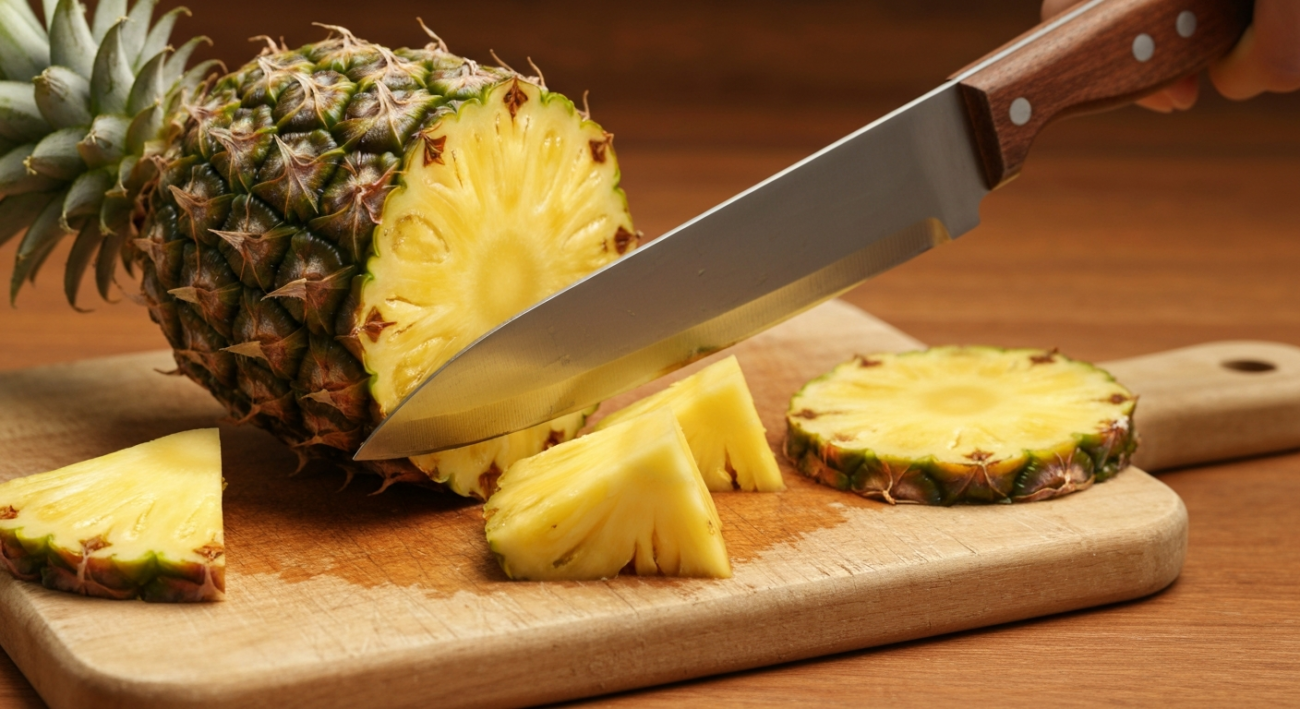
Unlock the Sweetness: The Easiest Way to Cut a Pineapple
Cutting a pineapple is simpler than you might think! The quickest method involves first trimming the top and bottom, then slicing off the skin vertically. Next, quarter the fruit lengthwise, remove the tough core, and finally, slice or dice the sweet flesh to your liking.
The Journey of the Pineapple: From Tropics to Your Table
Pineapples are a symbol of hospitality and tropical delight, but their journey to our tables is quite fascinating. Originating from South America, specifically the region between southern Brazil and Paraguay, pineapples were cultivated by indigenous communities long before European explorers arrived. Christopher Columbus encountered them in Guadeloupe in 1493 and brought them back to Europe, where they became a luxury item, a rare and exotic fruit only royalty or the very wealthy could afford. Growing them in Europe’s cooler climate required greenhouses and immense effort, making them a status symbol. Today, pineapples are grown globally in tropical regions like Costa Rica, the Philippines, and Thailand, making them much more accessible. Despite their widespread availability, many people still find the prospect of cutting one a bit daunting, often opting for canned varieties. But with a few simple steps, you can enjoy the superior taste and texture of fresh pineapple right in your own home.
Understanding the Pineapple: Beyond the Thorny Exterior
A pineapple is a large, tropical fruit known for its tough, spiky skin, leafy crown, and wonderfully sweet, tangy yellow flesh. It’s actually a multiple fruit, meaning it’s formed from many individual berries that fuse together around a central core. This unique structure explains why it looks so complex to prepare! When we talk about how to cut a pineapple, we’re essentially referring to the process of removing its inedible outer layers and the fibrous core to get to the juicy, edible fruit inside. Many people are intimidated by the pineapple’s spiky exterior, thinking it requires special tools or intricate techniques. However, with a sharp knife and a bit of confidence, preparing a fresh pineapple is straightforward. It’s a skill that pays off, offering a taste experience far superior to its processed counterparts, full of vibrant flavor and essential nutrients.
Essential Skills for Pineapple Preparation
Safety First
Always use a sharp, sturdy knife and a stable cutting board to prevent accidents while handling the robust pineapple.
Minimize Waste
Learn to efficiently remove the skin and core, maximizing the amount of edible fruit you can enjoy from each pineapple.
Versatile Serving
Once cut, fresh pineapple can be used in countless ways, from snacks to desserts and savory dishes.
Freshness Advantage
Freshly cut pineapple offers superior flavor, texture, and nutritional benefits compared to canned or pre-cut options.
Why Fresh Pineapple is Always a Better Choice
- Taste and Texture: Fresh pineapple boasts a vibrant, complex flavor profile that’s a perfect balance of sweet and tart, along with a firm, juicy texture. Canned pineapple, while convenient, often tastes sweeter due to added sugars and loses some of its characteristic crunch.
- Nutritional Value: Fresh pineapples are packed with Vitamin C, manganese, and bromelain, an enzyme known for its anti-inflammatory properties and digestive benefits. While canned versions retain some nutrients, the canning process can diminish certain vitamins and the efficacy of enzymes.
- No Added Sugars or Preservatives: When you cut a pineapple yourself, you control what goes into your body. Canned pineapples often come in sugary syrup, adding unnecessary calories and artificial ingredients. Fresh is always the most natural option.
- Cost-Effectiveness: Buying a whole pineapple and learning how to cut a pineapple yourself is often more economical than purchasing pre-cut chunks or canned varieties over time. You get more fruit for your money.
- Reduced Environmental Impact: Choosing fresh, whole fruits typically means less packaging waste compared to single-use plastic containers for pre-cut fruit or metal cans, contributing to a greener lifestyle.
Mastering the Cut: A Step-by-Step Guide to Preparing Pineapple
Step 1: Gather Your Tools and Prepare
Before you even think about how to cut a pineapple, make sure you have the right equipment. You’ll need a large, sharp chef’s knife or a heavy-duty serrated knife, as well as a sturdy cutting board. A sharp knife is crucial for safety and efficiency, as it will glide through the tough skin more easily. Place your pineapple on its side on the cutting board. Give it a good rinse under cold water to remove any dirt or residues from its exterior.
Step 2: Remove the Crown and Base
Stand the pineapple upright. Carefully slice off the leafy crown, aiming for about half an inch below the base of the leaves. This cut should be straight and even. Next, flip the pineapple over and slice off the bottom base, again aiming for about half an inch from the bottom. These flat surfaces will make the pineapple stable, allowing you to easily handle it during the next steps of how to cut a pineapple.
Step 3: Trim Away the Skin
With the pineapple now standing upright on one of its flat ends, begin to slice downward, following the natural curve of the fruit, to remove the thick, spiky skin. Try to make your cuts deep enough to remove the brown ‘eyes’ that are embedded in the flesh. Work your way around the entire pineapple, rotating it as you go, until all the skin is removed. You might notice some residual ‘eyes’ forming diagonal lines on the fruit, which we’ll address next.
Step 4: Remove the ‘Eyes’
After peeling, you’ll see small, brown, fibrous ‘eyes’ arranged in diagonal rows across the pineapple’s surface. To remove these efficiently, make a V-shaped incision along one row of eyes, then another V-shaped cut along the adjacent row, effectively lifting out the strip of eyes. Continue this process around the entire pineapple until all the visible eyes are gone. This technique ensures you preserve as much of the delicious fruit as possible while making it perfectly smooth and ready to eat.
Step 5: Quarter the Pineapple and Remove the Core
Lay the peeled pineapple on its side. Carefully cut it in half lengthwise, from top to bottom. Then, cut each half in half again, resulting in four long pineapple spears. Look at the inner edge of each spear; you’ll see a tougher, paler strip running through the center. This is the fibrous core. Using your knife, slice down along the inner edge of each spear to remove and discard the core. This is essential for a pleasant eating experience, as the core is generally too hard to chew.
Step 6: Slice, Dice, or Chunk Your Pineapple
Now that you have core-free pineapple spears, you can cut them into your desired shape. For rings, slice the spears crosswise into round pieces. For chunks or dices, stack a few spears together and slice them into strips, then cut the strips into smaller cubes. This final step is all about presentation and how you plan to use your fresh pineapple. You’ve successfully learned how to cut a pineapple from start to finish!
Debunking Pineapple Cutting Myths
Cutting a pineapple is extremely difficult and requires special tools.
Reality: While a pineapple looks formidable, it’s actually quite simple to cut with just a large, sharp chef’s knife and a sturdy cutting board. No fancy gadgets needed! The key is a sharp blade and a methodical approach.
You waste too much fruit when you cut a fresh pineapple yourself.
Reality: With the V-cut technique for removing the ‘eyes’ and careful slicing, you can maximize the edible fruit and minimize waste. Often, store-bought pre-cut pineapple has more core or less prime fruit than what you can achieve at home.
Canned pineapple is just as good as fresh.
Reality: Fresh pineapple offers a significantly superior flavor profile, texture, and higher concentration of beneficial enzymes like bromelain. Canned versions often contain added sugars and lack the same vibrancy.
Helpful Extra Tips for Pineapple Perfection
- Check for Ripeness: A ripe pineapple will have a sweet aroma at its base, vibrant green leaves, and slight give when squeezed. Avoid pineapples that are too soft or have brown, dry leaves.
- Storing Cut Pineapple: Once cut, store pineapple chunks in an airtight container in the refrigerator for 3-5 days. It’s best enjoyed fresh.
- Utilize the Core: Don’t just throw away the core! While tough to eat raw, you can boil it in water to make a flavorful pineapple tea, or blend it into smoothies for extra fiber and nutrients.
- Grill It: Grilled pineapple is a delicious treat! Toss chunks or slices on the grill for a few minutes per side until caramelized. It brings out a smoky sweetness.
- Pineapple ‘Boats’: For a fun serving idea, if you’re careful, you can leave the skin intact and use it as a ‘boat’ to serve pineapple salsa or fruit salad.
When Your Pineapple Might Not Be Safe to Eat
- Mold or Discoloration: If you see any signs of mold, black spots, or extensive browning on the skin or flesh, the pineapple has likely gone bad and should be discarded.
- Sour or Fermented Smell: A fresh pineapple smells sweet and tropical. If it has a strong, alcoholic, or vinegary smell, it indicates fermentation and spoilage.
- Excessive Softness or Leakage: A pineapple that is extremely soft, mushy, or leaking sticky liquid is past its prime and shouldn’t be consumed.
- Eyes That Are Too Dark or Wet: While some brown spots are normal, excessively dark, wet, or slimy ‘eyes’ can indicate rot.
Enjoying the Sweet Rewards of Fresh Pineapple
Learning how to cut a pineapple transforms this sometimes intimidating fruit into an accessible, delicious treat. By following a few simple steps—trimming the ends, peeling the skin, removing the eyes, coring, and then slicing—you can confidently prepare fresh pineapple at home. The effort is well worth it, providing you with superior taste, texture, and nutritional benefits compared to processed alternatives. So grab a sharp knife, pick a ripe pineapple, and get ready to enjoy the vibrant flavors of this tropical gem. Your taste buds will thank you!
