
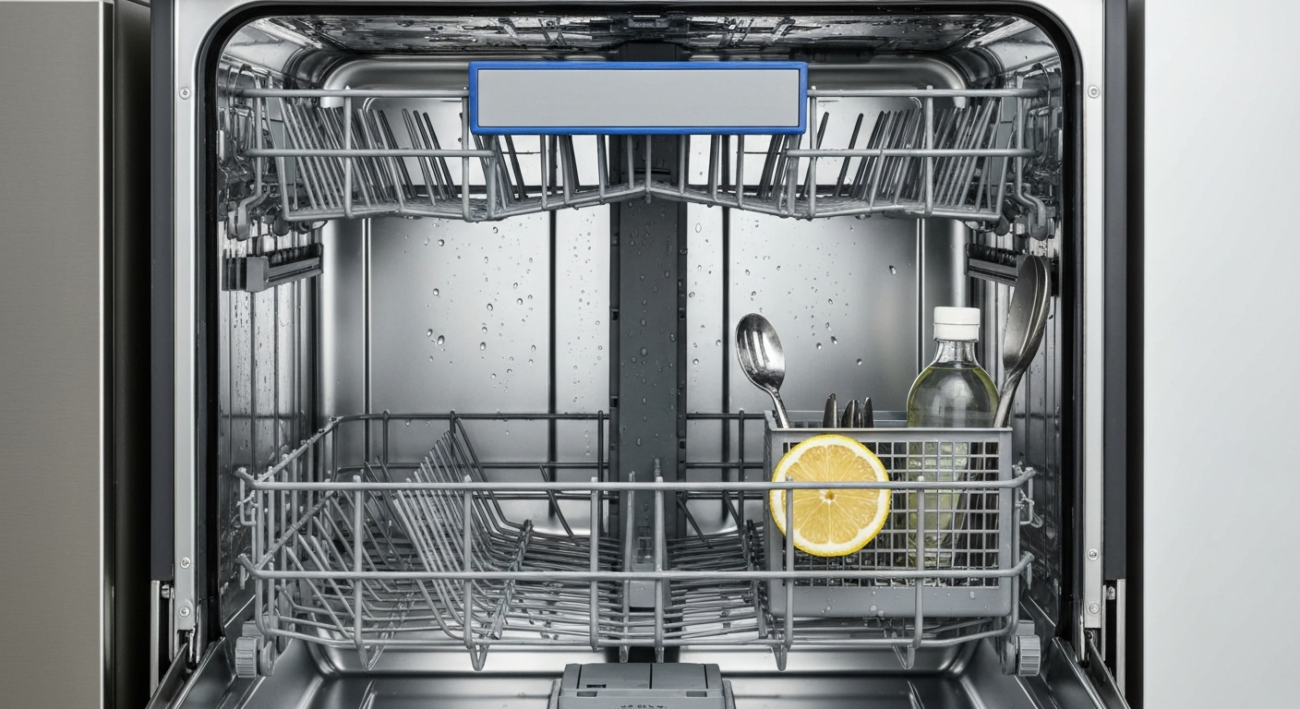
What This Solves
This guide addresses common problems like your dishwasher smelling bad, leaving spots on dishes, or simply not cleaning as effectively as it used to. Learning to clean dishwasher regularly can prevent these issues.
Why the Problem Happens
- Food particles and grease can accumulate in the filter and spray arms over time, leading to blockages and odors.
- Hard water deposits can build up on the interior surfaces, making your dishes cloudy and the machine less efficient.
- Mold and mildew can grow in damp areas, especially around the door seal, contributing to unpleasant smells.
- Detergent residue can accumulate, preventing proper cleaning and rinsing.
Items You May Need
- White vinegar
- Baking soda
- Old toothbrush or small brush
- Microfiber cloth or sponge
- Dish soap (optional, for exterior cleaning)
Easy Home Fixes
- First, empty your dishwasher completely. Remove the filter at the bottom and rinse it under hot running water to remove food debris. Use a small brush to scrub away any stuck-on grime.
- Inspect the spray arms for clogged holes. Use a toothpick or small wire to clear any blockages in the tiny holes where water sprays out.
- Place a cup filled with white vinegar on the top rack of the empty dishwasher. Run a hot water cycle (without detergent) to help break down grease and hard water deposits. This is a great way to deep clean dishwasher interiors.
- After the vinegar cycle, sprinkle one cup of baking soda on the bottom of the dishwasher. Run another short, hot water cycle. Baking soda helps to absorb odors and further clean the interior.
- Wipe down the door seal with a damp cloth or sponge soaked in white vinegar. Pay attention to any mold or mildew buildup in the crevices.
- Clean the exterior of your dishwasher with a general kitchen cleaner or a damp cloth. For stainless steel, use a specialized stainless steel cleaner to avoid streaks.
Safety Tips
- Always ensure the dishwasher is empty before starting any cleaning process.
- Avoid mixing cleaning products like bleach and vinegar, as this can create dangerous fumes.
- Be gentle when removing and reinserting the filter and spray arms to prevent damage.
- Unplug the dishwasher if you are performing any deep cleaning that involves reaching into electrical components, though for basic cleaning, this is usually not necessary.
When to Call a Pro
- If your dishwasher is leaking water, even after checking the door seal, it might indicate a more serious plumbing or component issue.
- If the dishwasher is making unusual noises or failing to drain water completely, there could be a mechanical problem or a significant clog beyond the filter.
- If you notice electrical issues, such as the dishwasher not turning on or tripping breakers, it’s best to call a qualified appliance technician.
- For persistent, strong odors that don’t go away after thorough cleaning, there might be a deeper issue like a clogged drain line leading to your home’s main plumbing.
Summary
Regular cleaning is key to a well-functioning dishwasher and spotless dishes. By following these simple steps, you can effectively clean dishwasher components, eliminate odors, and extend the life of your appliance. A little maintenance goes a long way in keeping your kitchen fresh and your dishes sparkling clean.
