
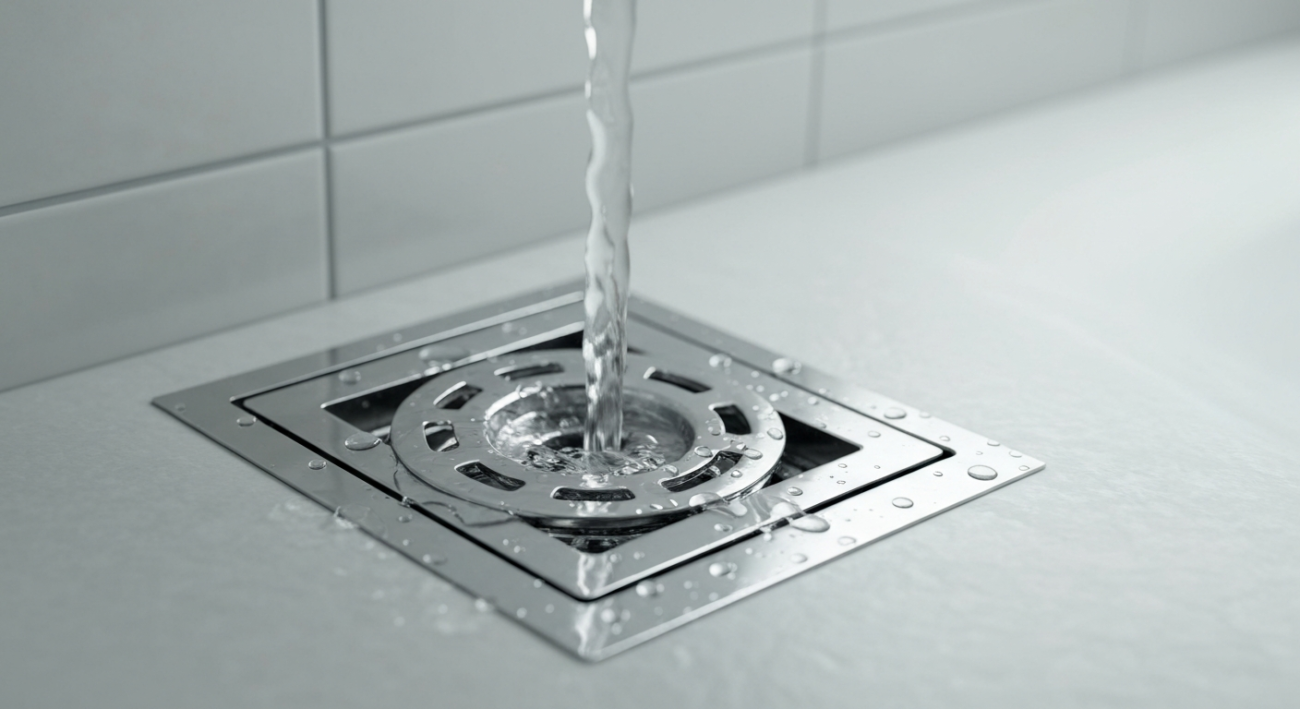
Tackling That Slow Shower Drain
There’s nothing quite as frustrating as stepping into a refreshing shower, only to find yourself standing in a puddle of dirty water by the end. A slow or clogged shower drain isn’t just an annoyance; it can also lead to unpleasant odors and even potential damage if left unaddressed. Many people immediately think of harsh chemicals or expensive plumbers, but often, the solution is much simpler. This guide is here to empower you with practical, DIY methods to effectively resolve those common shower drain blockages. You’ll learn exactly how to clean out shower drain problems using everyday items and a bit of elbow grease, restoring your shower’s flow and making your daily routine much more enjoyable. No more waiting for the water to slowly disappear; you can take control of your home maintenance and keep your drains flowing freely.
Why Your Shower Drain Gets Clogged
- Hair, both human and pet, is the most frequent culprit, tangling together to form stubborn blockages.
- Soap scum and shampoo residue build up over time, creating a sticky film that traps hair and other debris.
- Mineral deposits from hard water can accumulate on drainpipe walls, narrowing the passage and contributing to clogs.
- Small objects accidentally dropped down the drain, such as razor caps, hairpins, or jewelry, can create immediate obstructions.
- Grease and oil from certain bath products can congeal in the drain, acting as an adhesive for other debris.
- Dirt and sand washed off during showering can settle in the pipes, especially if they are not flushed away completely.
Tools and Materials for a Clear Drain
- Rubber gloves for hygiene and protection.
- Screwdriver (Phillips or flathead) for removing drain covers.
- Pliers or needle-nose pliers for extracting hair and debris.
- Drain snake or a zip-it tool (plastic drain auger).
- Baking soda.
- White vinegar.
- Boiling water (or very hot tap water).
- Bucket or small bowl to catch debris.
- Flashlight for better visibility into the drain.
- Old toothbrush or small brush for cleaning around the drain opening.
Simple DIY Steps to Clean Your Shower Drain
- Method 1: Manual Hair and Debris Removal Start by putting on your rubber gloves. Use a screwdriver to carefully remove the shower drain cover. Once the cover is off, use your fingers, pliers, or needle-nose pliers to reach into the drain opening and pull out any visible hair, soap scum, or other debris. You might be surprised by how much comes out! A flashlight can help you see deeper into the drain. Dispose of the gunk in a trash can, not in the toilet, to prevent further clogs elsewhere. This is often the quickest and most effective way to address surface-level blockages and is a key step in learning how to clean out shower drain effectively.
- Method 2: The Baking Soda and Vinegar Approach For less stubborn clogs or to refresh your drain after manual removal, try this eco-friendly solution. First, pour a kettle of boiling hot water down the drain. This helps to loosen any grease or soap scum. Next, pour half a cup of baking soda directly into the drain. Let it sit for about 10-15 minutes. After that, follow up with one cup of white vinegar. You’ll notice fizzing and bubbling; this chemical reaction helps to break down clogs. Cover the drain with a plug or rag to keep the reaction working within the pipe. Let it sit for at least 30 minutes, or even overnight for tough clogs. Finally, flush the drain again with another pot of boiling hot water. This method is great for breaking down organic matter.
- Method 3: Using a Plunger If the clog is deeper and resisting manual removal or the baking soda/vinegar treatment, a plunger can be a powerful tool. Make sure there’s enough water in the shower base to cover the rim of the plunger. If not, add some. Place the plunger firmly over the drain, creating a tight seal. Give it several sharp, vigorous pushes and pulls. The suction and pressure can dislodge deeper blockages. After several attempts, remove the plunger and see if the water drains. You may need to repeat this process a few times. This can often push the clog further down or break it into smaller pieces.
- Method 4: Employing a Drain Snake (or Zip-It Tool) For truly stubborn clogs located deeper in the pipe, a drain snake (also known as a plumbing auger) or a simpler zip-it tool is your best friend. A zip-it tool is a long, thin piece of plastic with barbs that easily grabs hair and debris. Gently push the tool down the drain until you feel resistance, then pull it back out slowly. You’ll likely pull out a significant amount of gunk. For a metal drain snake, feed the coiled end into the drain, turning the crank as you push it further. When you feel resistance, it means you’ve hit the clog. Rotate the snake to break up or hook the clog, then slowly pull it back out. Always wear gloves, as this can be a messy process. If you find yourself frequently dealing with blockages, understanding how to clean out shower drain thoroughly with these tools is essential. For more detailed instructions on dealing with blockages in various home drains, check out these easy DIY fixes for a clearer home.
Important Safety Precautions
- Always wear rubber gloves to protect your hands from grime, bacteria, and any cleaning solutions.
- Avoid mixing different chemical drain cleaners, as this can produce dangerous fumes or reactions.
- If using boiling water, pour it slowly and carefully to avoid splashes and burns.
- Never look directly down the drain when pouring solutions, as fumes can be irritating.
- Be gentle when using tools like drain snakes to avoid scratching or damaging your plumbing pipes.
- Ensure proper ventilation, especially when using any store-bought chemical cleaners (though DIY methods are often preferred).
- Keep children and pets away from the area during the cleaning process and away from any chemicals.
When to Call in the Experts
- If despite your best efforts with the DIY methods, the drain remains stubbornly clogged or the water is still draining very slowly, it might be time for professional help.
- If the clog is deep within your plumbing system and a drain snake can’t reach it, a professional plumber has specialized tools and expertise.
- If you notice multiple drains in your home are slow or clogged (e.g., toilet, sink, and shower), it could indicate a larger main line blockage that requires a professional.
- If you’ve attempted chemical drain cleaners without success, do not continue to pour more down; this can sometimes worsen the situation or create hazards for plumbers.
- If you suspect damage to your pipes or if you’re uncomfortable attempting the fixes yourself, a licensed plumber can diagnose and resolve the issue safely and efficiently.
Keep Your Shower Drains Flowing Freely
Dealing with a slow or clogged shower drain doesn’t have to be a major ordeal. By understanding the common causes and equipping yourself with a few simple tools and techniques, you can effectively resolve most blockages yourself. From basic manual removal of hair and debris to using eco-friendly baking soda and vinegar, or employing the power of a plunger or drain snake, there are many ways to keep your shower flowing smoothly. Regular maintenance, like occasionally flushing with hot water or removing surface hair, can also prevent future clogs. Remember to always prioritize safety during the cleaning process. Knowing how to clean out shower drain properly empowers you to maintain your home and avoid the frustration of standing water, ensuring a pleasant showering experience every time. If a clog proves too tough, don’t hesitate to call in a professional.
