
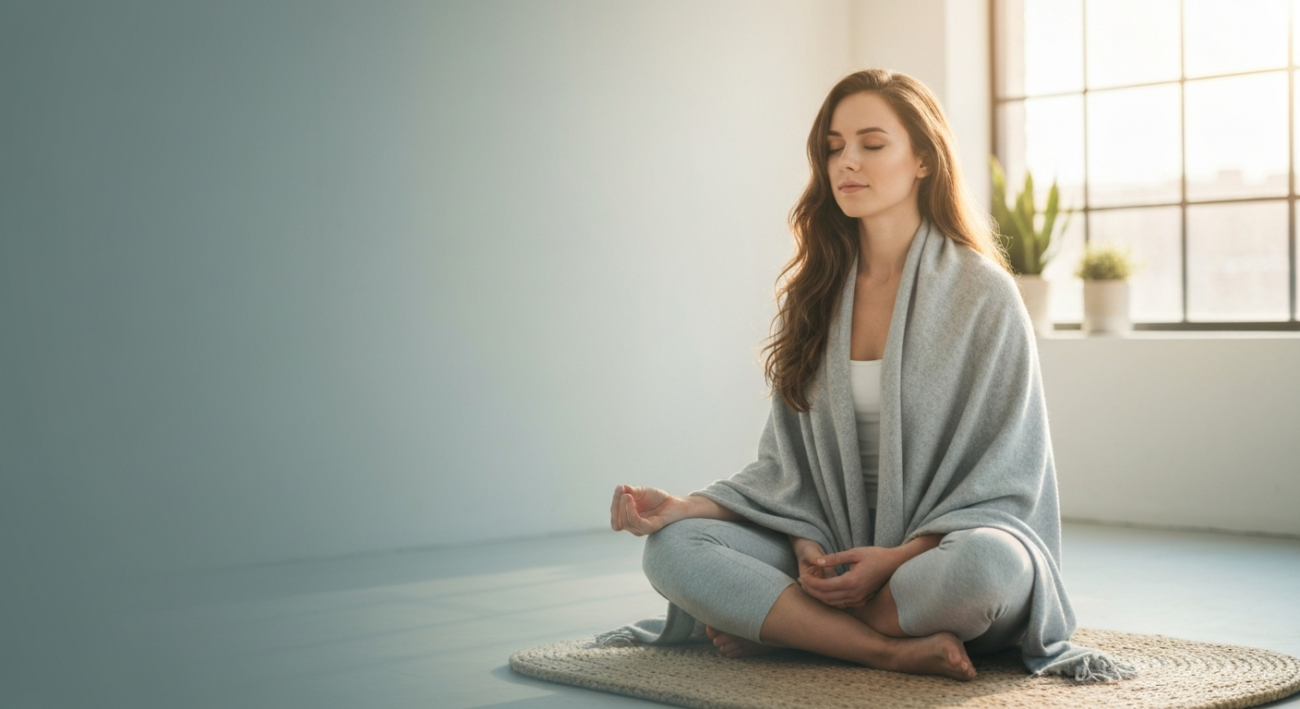
Instant Calm: Your Fast Track to Tranquility
To calm your mind quickly, focus on immediate, actionable steps. Deep breathing exercises, mindfulness techniques, and a brief change of environment can significantly reduce mental chatter and stress in minutes. These strategies help anchor you to the present moment, allowing you to regain control and find inner peace.
The Modern Mind: A Constant Battle Against Overwhelm
In today’s fast-paced world, our minds are constantly bombarded. Notifications ping, deadlines loom, and the sheer volume of information can feel crushing. It’s no wonder many of us struggle with mental overload. This isn’t just a modern phenomenon; humans have always faced stressors. However, the intensity and continuous nature of modern life mean that learning how to calm your mind quickly has become a vital skill. For centuries, various cultures have recognized the importance of mental tranquility, from ancient meditative practices to philosophical teachings on inner peace. Today, science is catching up, showing us exactly how stress impacts our brains and bodies. Understanding this background helps us appreciate why finding moments of calm isn’t a luxury, but a necessity for overall well-being and productivity.
Understanding What ‘Calming Your Mind’ Truly Means
Calming your mind isn’t about emptying your thoughts entirely. Instead, it’s about reducing mental noise and reactivity. It means shifting from a state of agitation or overwhelm to one of greater peace, focus, and clarity. When your mind is calm, you can think more clearly, make better decisions, and respond to challenges more effectively. It involves bringing your attention back to the present moment, away from worries about the past or anxieties about the future. Achieving a calm mind helps to lower your heart rate, relax your muscles, and activate your body’s ‘rest and digest’ system. This process is crucial for both mental and physical health. If you struggle with falling asleep due to an overactive mind, learning these techniques can also be a game-changer, helping you to sleep fast and drift off quickly.
Essential Strategies for Instant Mental Serenity
Breathe Deep, Calm Fast
Mastering specific breathing techniques is the quickest way to signal to your nervous system that it’s time to relax. Just a few minutes of deep, controlled breaths can drastically reduce stress.
Mindfulness in Minutes
Engage your senses and bring your awareness to the present moment. This can be as simple as noticing five things you can see, hear, or feel, effectively interrupting negative thought spirals.
Movement as Medicine
Even a short burst of physical activity, like a quick walk or gentle stretching, can release tension and shift your focus, helping you to calm your mind quickly and effectively.
Why Calming Your Mind is Important Right Now
- It significantly reduces stress and anxiety levels, improving your overall mood and emotional resilience against daily challenges.
- A calm mind enhances focus and concentration, leading to better productivity and decision-making in both personal and professional life.
- It promotes better physical health by lowering blood pressure, improving digestion, and boosting your immune system, countering the negative effects of chronic stress.
- Cultivating mental calm helps prevent burnout, allowing you to sustain your energy and enthusiasm for longer periods.
- It fosters healthier relationships by making you more patient, empathetic, and present with others.
Practical Steps to Calm Your Mind in Moments
The 4-7-8 Breathing Technique
This simple yet powerful breathing exercise, popularized by Dr. Andrew Weil, can quickly induce a state of relaxation. Inhale quietly through your nose for a count of four. Hold your breath for a count of seven. Exhale completely through your mouth, making a whoosh sound, for a count of eight. Repeat this cycle three to four times. The extended exhalation helps to slow your heart rate and promote a sense of calm almost immediately. Practice this technique a few times a day, even when not stressed, to build its effectiveness.
Engage Your Senses with the 5-4-3-2-1 Method
When your mind is racing, grounding yourself in the present moment is key. The 5-4-3-2-1 method uses your five senses to do this. Name five things you can see, four things you can feel (e.g., clothes on your skin, the chair beneath you), three things you can hear, two things you can smell, and one thing you can taste. This exercise diverts your attention from internal anxieties to external stimuli, effectively interrupting the cycle of worrying thoughts. It’s a fantastic way to calm your mind quickly, whether you’re at work, on public transport, or at home.
Mindful Movement: A Quick Reset
Sometimes, a short burst of physical activity is all you need to shift your mental state. If possible, stand up and take a brisk five-minute walk, even if it’s just around the room or office. Pay attention to your steps, the swing of your arms, and your surroundings. If walking isn’t an option, try some gentle stretches or a few simple yoga poses at your desk. The combination of movement and mindful awareness helps to release physical tension and clear your head. This isn’t about a full workout, but about intentional, calming motion.
The Power of a Quick Mental Vacation
When feeling overwhelmed, taking a mental break can be incredibly effective. Find a quiet spot, close your eyes, and imagine yourself in a peaceful place – a beach, a forest, a cozy room. Focus on the details: the sounds, smells, and sensations of that place. Spend just 2-3 minutes fully immersed in this mental imagery. This mini-escape allows your mind to temporarily detach from stressors, providing a powerful and swift way to calm your mind quickly and return to your tasks with renewed perspective.
Common Myths About Calming Your Mind Debunked
Calming your mind means you shouldn’t have any thoughts or feelings.
Reality: The goal isn’t to stop thinking or feeling, but to observe your thoughts and emotions without judgment, allowing them to pass without getting caught up in them. It’s about reducing their power over you.
You need hours of meditation to truly calm your mind.
Reality: While long meditation sessions are beneficial, even a few minutes of focused breathing or mindfulness can significantly reduce stress and bring a sense of calm. Short, frequent practices are highly effective.
Ignoring your problems is the same as calming your mind.
Reality: Calming your mind helps you approach problems more clearly and constructively. It’s about processing stress, not avoiding it, so you can address challenges from a place of strength rather than panic.
Additional Helpful Hints for Sustained Calm
- Keep a glass of water nearby and take slow, deliberate sips. Hydration, combined with a mindful act, can be surprisingly soothing.
- Listen to calming music or nature sounds for a few minutes. Specific frequencies and rhythms can influence brainwave patterns, promoting relaxation.
- Practice progressive muscle relaxation. Tense and then relax different muscle groups in your body, noticing the contrast. This releases physical tension.
- If comfortable, gently rub your temples or massage your hands. Physical touch can be very grounding and reduce anxiety.
- Take a mini-digital detox. Step away from screens for a few minutes to give your eyes and mind a break from constant input.
When to Seek Professional Help for Mental Overwhelm
- If constant anxiety or mental agitation significantly interferes with your daily life, work, or relationships for an extended period.
- When self-help techniques no longer provide relief, or your feelings of overwhelm become unmanageable and persistent.
- If you experience physical symptoms like chronic fatigue, sleep disturbances, digestive issues, or headaches that seem linked to your mental state.
- When you have recurring negative thoughts, feelings of hopelessness, or a loss of interest in activities you once enjoyed, as these can be signs of depression or other serious conditions.
Reclaiming Your Inner Peace: A Path to Lasting Calm
Learning how to calm your mind quickly is a crucial skill in navigating the complexities of modern life. By incorporating simple yet effective techniques like targeted breathing, sensory grounding, mindful movement, and visualization into your daily routine, you can significantly reduce stress and enhance your overall well-being. These strategies don’t just offer temporary relief; they build mental resilience over time. Remember, consistency is key, and seeking professional support when needed is a sign of strength. Embrace these practices to cultivate a more peaceful and focused mind, fostering a healthier and happier you.
