
Quick Answer: Understanding Square Footage
To learn how to calculate square feet, you generally multiply the length of a space by its width. This fundamental formula provides the area in square units, essential for various projects. It’s a key measurement for rooms, yards, or even entire properties when planning renovations or purchases.
The History and Evolution of Area Measurement
For thousands of years, humans have needed to measure spaces. Ancient civilizations, from the Egyptians along the Nile to the Babylonians, developed early forms of geometry to manage land for farming and to construct grand buildings. These early methods, though rudimentary, laid the groundwork for modern measurement systems. As societies grew more complex, so did the need for standardized units. Eventually, systems like the imperial and metric units emerged, allowing for precise and consistent measurements. Today, knowing how to calculate square feet is a direct descendant of these historical needs, crucial for everything from buying a rug to valuing a piece of land. It underpins much of our modern construction, real estate, and design industries, making accurate area calculations indispensable.
Understanding Square Feet in Simple Terms
A square foot is simply the area of a square with sides that are one foot long. Imagine a tile that is one foot by one foot – that’s one square foot. It’s a unit of area measurement, which tells you the total two-dimensional space within a boundary. Unlike length, which measures a single dimension, or volume, which measures three dimensions, square footage focuses on flat surfaces. This measurement is incredibly versatile and practical. You’ll need to know how to calculate square feet when you’re buying flooring, painting a room, estimating garden space, or even understanding the size of a home listed for sale. It helps you quantify space effectively, ensuring you purchase the correct amount of materials or accurately assess property sizes.
Key Takeaways from This Article
The Core Formula for Rectangles
Calculating square feet for basic rectangular or square areas is straightforward: simply multiply the length by the width.
Strategy for Irregular Shapes
For complex or L-shaped rooms, divide the area into smaller, simpler rectangles. Calculate each section’s area and then add them together.
Importance Beyond Home Improvement
Accurate square footage is vital not just for DIY projects, but also for real estate appraisals, landscaping, and verifying contractor quotes.
Why Knowing How to Calculate Square Feet is Important Right Now
- It’s essential for accurate budgeting on home renovation projects, preventing both overspending on materials and frustrating shortages.
- Knowing how to calculate square feet is crucial when buying or selling real estate, as square footage often directly impacts property value and pricing.
- It helps immensely in planning landscaping, gardening, or outdoor living spaces, ensuring you purchase the right amount of sod, mulch, or pavers.
- This skill is valuable for estimating costs for professional services like painting, cleaning, or pest control, which are frequently priced per square foot.
- It empowers you to confidently double-check contractor quotes and material estimates, ensuring fairness and accuracy in all transactions.
Step-by-Step Solutions: How to Calculate Square Feet for Any Space
For Simple Rectangular or Square Rooms
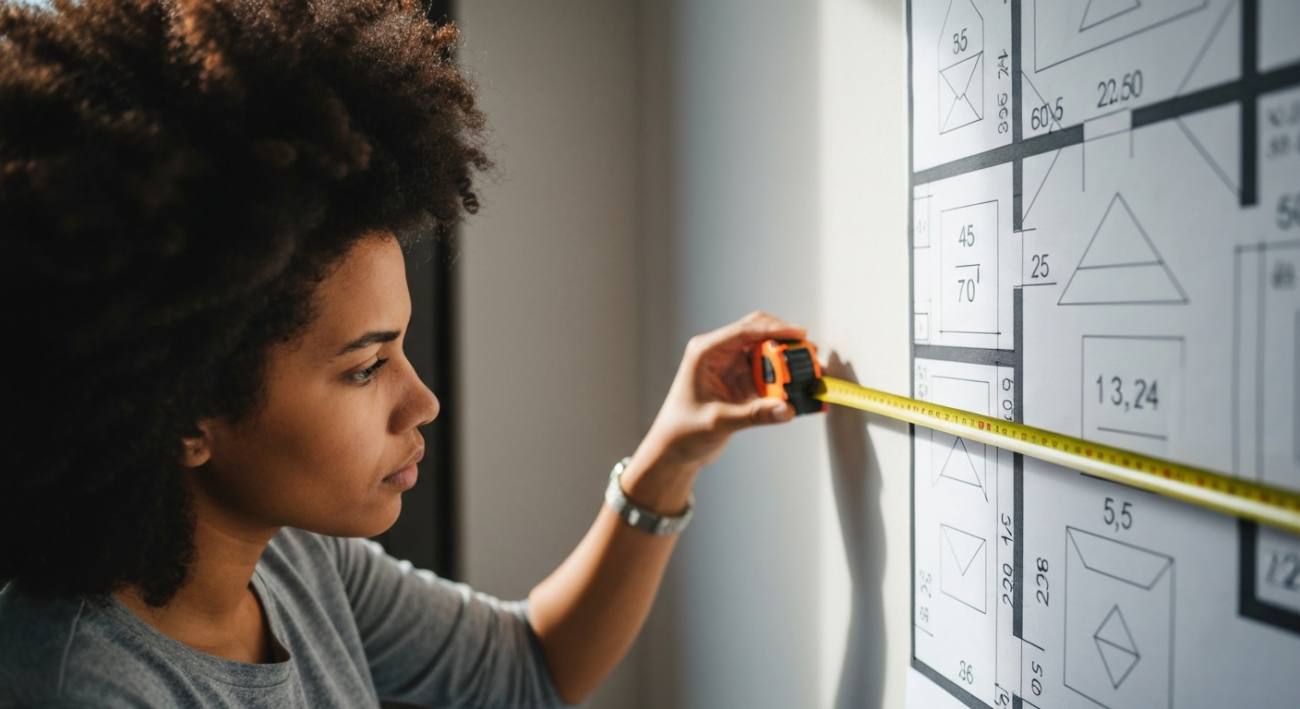
This is the most common and easiest scenario when you need to calculate square feet. First, ensure the area is clear of obstructions to get the most accurate measurements. Use a reliable tape measure. Measure the length of the room from one wall to the opposite wall, recording your measurement in feet. Next, measure the width of the room from one side to the other, making sure this measurement is perpendicular to your first. Record this width in feet as well. Once you have both measurements, simply multiply the length by the width. For example, a room that is 10 feet long and 12 feet wide has an area of 10 feet * 12 feet = 120 square feet. This fundamental step is your starting point for understanding how to calculate square feet.
For L-Shaped or Irregular Rooms
Many rooms aren’t perfect rectangles. For L-shaped or other irregular spaces, the trick is to break them down into smaller, manageable rectangular or square sections. Imagine drawing lines on the floor or a sketch to divide the complex shape into two or more simpler shapes. For each of these smaller, simpler sections, calculate its square footage using the length times width method described above. Once you have the area for each individual section, add all these areas together to get the total square footage of the entire irregular room. This method is highly effective for any space that isn’t a single, uniform rectangle, helping you efficiently calculate square feet even in challenging layouts.
For Circular or Triangular Areas (Advanced)
While less common for entire indoor rooms, you might encounter circular or triangular areas, especially in outdoor spaces like gardens, patios, or architectural features. To calculate the area of a circle, you’ll need its radius (the distance from the center to any point on the edge). The formula is π (pi, approximately 3.14159) multiplied by the radius squared (r²). So, Area = π * r * r. For a triangle, the formula is (base * height) / 2. Identify the base of the triangle and its perpendicular height, multiply them, and then divide the result by two. These specific geometric formulas allow you to accurately calculate square feet for more specialized shapes, expanding your measurement capabilities for diverse projects.
Common Myths About Square Footage Debunked
Square footage only matters for interior living spaces.
Reality: While critical for interior rooms, square footage is equally important for outdoor areas like decks, patios, or yards. It significantly influences landscaping costs, material estimates, and overall property assessments.
You can just eyeball measurements for small DIY projects like painting.
Reality: Even small projects require accurate measurements to learn how to calculate square feet effectively. Being off by even a few inches can lead to wasted materials, budget overruns, or multiple trips to the store for flooring, paint, or wallpaper.
Windows and doors never affect square footage calculations.
Reality: For flooring, windows and doors typically don’t change the floor area. However, when calculating for wall materials like paint or wallpaper, you should generally subtract the area of windows and doors to get a more accurate estimate of the surface you need to cover.
Helpful Extra Tips for Accurate Measurements
- Always double-check your measurements by taking them twice or having another person verify to catch any errors and ensure accuracy.
- Use a consistent unit of measurement, typically feet and inches, throughout all your calculations to prevent confusion and mistakes.
- Consider rounding up slightly when purchasing materials. This accounts for potential cuts, waste, or future small repairs, saving you a return trip.
- Keep a notepad and pen handy to record your measurements as you go, drawing simple diagrams for complex areas to help visualize.
- For highly precise and legally binding measurements, especially for large property transactions, consider hiring a professional surveyor.
When You Should Be Concerned About Your Measurements
- If a contractor’s estimate for materials or labor seems wildly different from your own careful square footage calculation, it’s a red flag to question their figures.
- When buying or selling property, significant discrepancies (more than 5-10%) between the listed square footage and your own or a third-party measurement warrant further investigation.
- If your DIY project materials consistently fall short of what you need or you have an excessive amount of waste, it strongly suggests your initial measurements were inaccurate.
- For legal or financial documents where property size is critical, like property tax assessments, always seek professional verification if you have any doubts about your figures.
Mastering Square Footage for Every Project
Learning how to calculate square feet is a surprisingly versatile and essential skill, crucial for everything from minor home touch-ups to major property transactions. By understanding the basic formulas for simple shapes and learning how to break down more complex areas, you gain the confidence to tackle almost any project involving space. Accurate measurements save valuable time, money, and stress, ensuring your renovations, purchases, and plans are always on solid ground. Equip yourself with a reliable tape measure and these simple techniques, and you’ll be well on your way to mastering the art of area calculation, making every project smoother and more efficient.
