
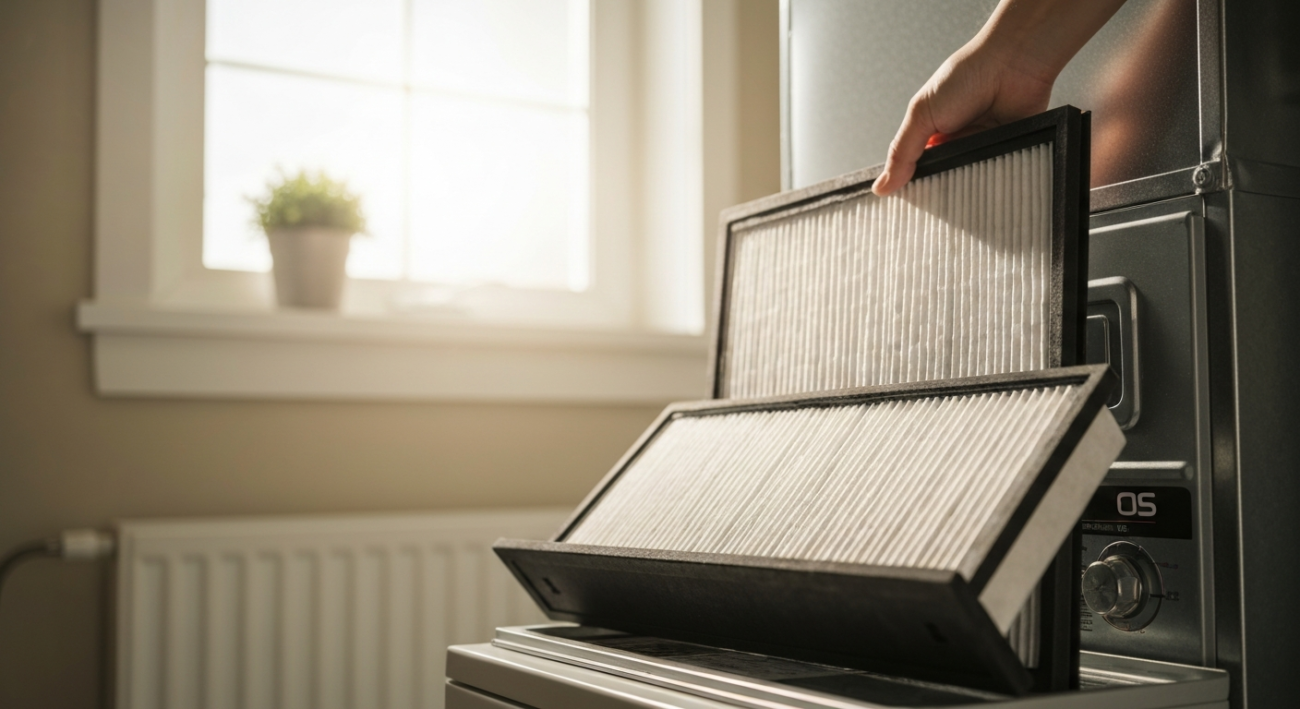
Mastering Your Furnace Filter Schedule
One of the most common questions homeowners ask is, “how often to change air filter in furnace?” It’s a simple task, but easily overlooked. This guide helps clear up the confusion around furnace air filter replacement. We’ll show you why regular changes are crucial for your home’s air quality, furnace efficiency, and your wallet. Ignoring this simple maintenance can lead to higher energy bills, poor air circulation, and even system breakdowns. By the end of this article, you’ll have a clear understanding of when and why to change your filter, making your home a healthier and more comfortable place.
Why Your Filter Needs Frequent Attention
- Dust and debris constantly accumulate in your home. Your furnace filter acts as a crucial barrier, trapping these particles before they can enter your HVAC system or recirculate into your living spaces. Over time, this buildup significantly restricts airflow, making your furnace work harder.
- Homes with pets introduce more dander and hair into the air. This accelerates the clogging of furnace filters, demanding more frequent changes to maintain air quality and system efficiency.
- Family members with allergies or asthma require cleaner air. A dirty filter can worsen symptoms by allowing allergens to pass through. Regular changes are vital for their well-being.
- Construction or renovation projects, both inside your home and in your neighborhood, drastically increase airborne dust. This extra load quickly overwhelms a standard filter.
- The type of filter you use matters. Some basic fiberglass filters are designed for weekly or monthly changes, while higher-MERV pleated filters can last up to three months or more. Using the wrong filter for your home’s needs can impact how often you need to replace it.
- Heavy furnace usage, especially during peak heating or cooling seasons, means more air is cycled through the filter. This increased workload naturally leads to faster accumulation of particles and necessitates more frequent checks and changes.
- Smoking indoors introduces a sticky residue that not only clogs filters but also reduces their ability to capture other airborne particles effectively, requiring very frequent replacements.
Essential Items for a Filter Change
- A new furnace air filter of the correct size and MERV rating for your system. Always double-check the dimensions on your old filter.
- A permanent marker to write the installation date on the new filter, helping you keep track of its lifespan.
- A damp cloth for wiping away any dust or debris around the filter housing before installing the new one.
Simple Steps to Change Your Furnace Filter
- Locate your furnace filter. It’s usually found in a slot where the return air duct enters the furnace unit or in the return air vent itself, often in a wall or ceiling.
- Note the direction of the airflow arrow on the old filter. This arrow indicates the direction the air flows into your furnace. The new filter needs to be installed facing the same way.
- Turn off your furnace. For safety, always switch off the power to your furnace at the thermostat or the dedicated circuit breaker before doing any maintenance. This prevents the system from accidentally turning on while you’re working.
- Carefully slide out the old, dirty filter. It might be quite grimy, so have a trash bag ready.
- Inspect the area around the filter slot for any dust or debris buildup. Use a damp cloth to wipe it clean before installing the new filter.
- Unwrap your new filter and write the current date on its frame with a permanent marker. This small step helps you remember how long the filter has been in use and when it’s due for its next replacement.
- Slide the new filter into the slot, ensuring the airflow arrow points in the correct direction (towards the furnace). Make sure it fits snugly without leaving any gaps.
- Restore power to your furnace. Turn the circuit breaker back on or adjust your thermostat settings to resume normal operation. Your furnace is now ready to run with improved efficiency and cleaner air.
Important Safety Tips for Filter Replacement
- Always turn off your furnace’s power before changing the filter. This prevents accidental startup and potential injury from moving parts.
- Wear gloves, especially if you have sensitive skin or allergies, as old filters can harbor dust, mold spores, and other irritants.
- Handle dirty filters carefully to avoid releasing trapped particles back into the air. Immediately place the old filter in a trash bag.
- If you notice any unusual smells, sparks, or sounds coming from your furnace, do not attempt to change the filter yourself. Call a professional HVAC technician.
- Ensure the new filter fits properly. A filter that’s too small or installed incorrectly can allow unfiltered air to bypass the system, negating its purpose.
When to Call a Professional
- If you’re unsure about the correct filter size or MERV rating for your furnace, a professional can provide guidance and ensure you get the right fit.
- If your furnace is making strange noises, emitting unusual odors, or failing to heat your home properly even after a filter change, it’s time to call an HVAC technician.
- When your furnace frequently cycles on and off, or if it runs constantly without reaching the desired temperature, it could indicate a larger issue beyond a dirty filter.
- If you’re installing a new HVAC system or upgrading your existing one, a professional can advise on the best long-term filter strategy and even suggest whole-home air purification solutions.
- For comprehensive annual furnace maintenance, a professional will inspect all components, clean the system, and identify potential problems before they become costly breakdowns, ensuring your system runs efficiently.
Key Takeaways for Optimal Furnace Performance
Understanding how often to change air filter in furnace is fundamental to maintaining a healthy and efficient home. While a general rule of every 1 to 3 months is a good starting point, your specific situation – pets, allergies, furnace usage, and filter type – will dictate the precise frequency. Regularly checking and replacing your filter ensures cleaner indoor air, prevents expensive furnace repairs, and significantly lowers your energy bills. This simple maintenance task is one of the easiest and most impactful ways to care for your home’s heating and cooling system. Make it a routine, and your furnace will thank you with years of reliable, efficient service.
Frequently Asked Questions About Furnace Filters
What does MERV rating mean and how does it affect filter changes?
MERV stands for Minimum Efficiency Reporting Value. It indicates how effectively a filter captures airborne particles. Higher MERV ratings (e.g., MERV 11-13) capture smaller particles like pollen and pet dander more efficiently than lower ratings (e.g., MERV 1-4), but they can also restrict airflow more, sometimes requiring slightly more frequent checks, especially in older systems or if your home is particularly dusty.
Can I wash and reuse my furnace filter?
Most standard furnace filters are not designed to be washed and reused. They are typically made of disposable materials that lose their filtration efficiency once wet or if the fibers are disturbed. There are some washable filters available on the market, but they are clearly labeled as such. Always check your filter’s packaging or your furnace manual to confirm if it’s washable before attempting to clean it.
What happens if I don’t change my furnace filter regularly?
Neglecting to change your furnace filter can lead to several problems. A dirty filter restricts airflow, forcing your furnace to work harder and increasing energy consumption, which results in higher utility bills. It also reduces indoor air quality by allowing dust, allergens, and pollutants to circulate. In severe cases, a clogged filter can cause your furnace to overheat, leading to costly repairs or even a complete system breakdown.
