
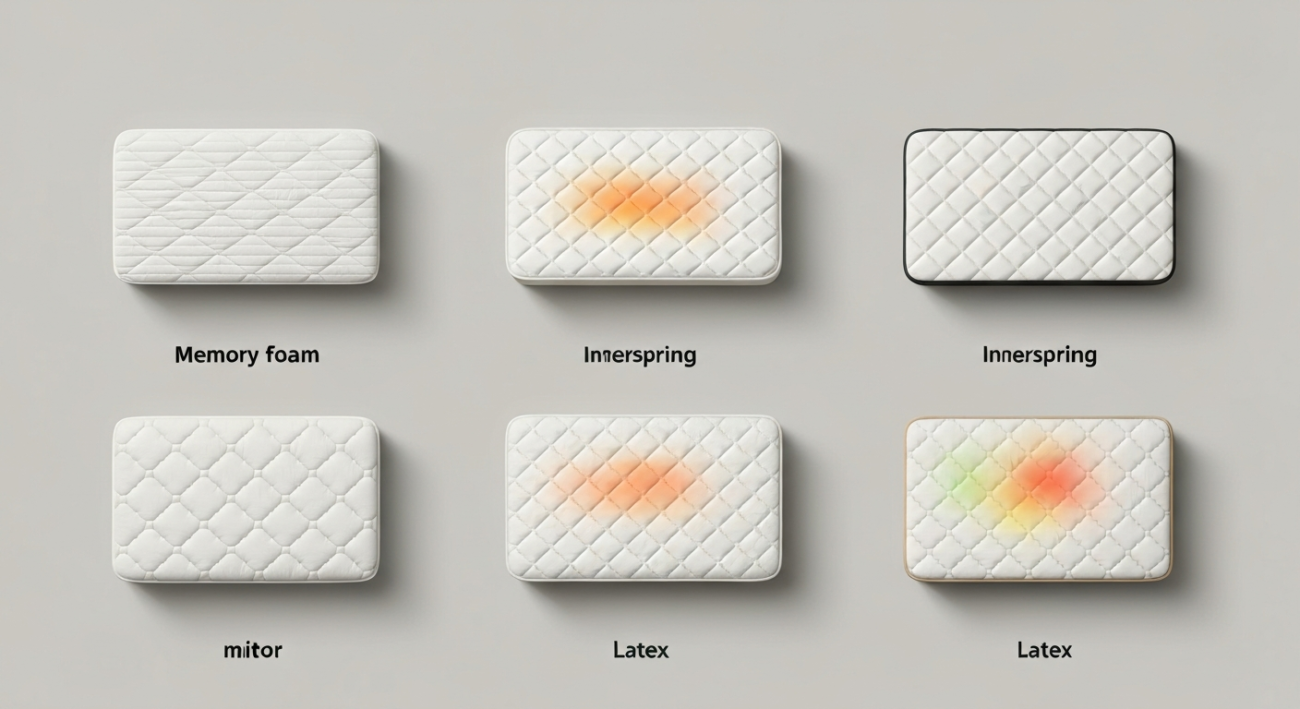
Quick Take: Mattress Heat Tolerance
Most mattresses are designed to handle typical body heat and ambient room temperatures without issue. However, excessive or concentrated heat, like that from direct sunlight, heating pads, or high-temperature cleaning methods, can degrade materials and shorten a mattress’s lifespan. The specific tolerance depends heavily on the mattress type and its construction materials.
The Evolution of Mattress Materials and Thermal Properties
For centuries, mattresses were simple affairs, often stuffed with natural fibers like straw, cotton, or wool. These materials offered varying degrees of comfort but generally had good breathability. The introduction of innerspring mattresses in the late 19th century brought more structure and airflow. However, the real shift in thermal properties came with the advent of synthetic materials. Memory foam, developed by NASA in the 1960s, revolutionized comfort but also introduced new considerations regarding heat retention. Latex, whether natural or synthetic, offers a different profile, often praised for its natural breath dissipation. Today’s mattresses are complex constructions, blending springs, foams, gels, and natural fibers, each contributing to the overall thermal experience and dictating how much heat can a mattress handle under various conditions. Understanding these components is key to proper mattress care and longevity.
Understanding Mattress Heat Tolerance in Simple Terms
When we talk about how much heat a mattress can handle, we’re essentially asking about the resilience of its various layers to temperature. Different materials react uniquely to heat. Innerspring mattresses, with their open coil structures, allow for significant airflow, making them relatively cool. Memory foam, on the other hand, is known for conforming to your body, which can sometimes lead to heat retention. However, many modern memory foams incorporate cooling gels or open-cell structures to mitigate this. Latex mattresses tend to be more naturally breathable than traditional memory foam, offering a cooler sleep surface. Hybrid mattresses combine springs and foam layers, aiming for a balance of support and temperature regulation. Prolonged exposure to high heat, such as direct sunlight through a window, can cause certain foams to break down, harden, or even become brittle over time. While mattresses can withstand some heat, certain cleaning methods, like steam cleaning, require careful application to avoid damage to sensitive materials.
Key Takeaways from This Article on Mattress Heat
Material Matters Most
The type of materials used in your mattress significantly determines its ability to handle and dissipate heat. Memory foam, latex, and innerspring all have different thermal properties.
Avoid Extreme Heat Sources
Direct sunlight, high-setting heating pads, and powerful heat lamps can cause irreversible damage to mattress components, leading to material degradation.
Proper Cleaning is Crucial
While some heat is involved in cleaning, using appropriate techniques and avoiding excessively hot water or steam directly on certain mattress types prevents internal damage.
Monitor for Signs of Damage
Look for changes in mattress texture, sagging, hardening, or a persistent chemical odor as indicators of heat-related damage.
Why Understanding Mattress Heat Limits is Important Right Now
- Extending Mattress Lifespan: Knowing how much heat can a mattress handle helps you avoid practices that prematurely age and degrade its materials, ensuring your investment lasts longer.
- Maintaining Comfort and Support: Heat damage can lead to sagging, softening, or hardening of foam layers, compromising the comfort and spinal support your mattress provides.
- Preventing Health Issues: Degraded materials can sometimes release odors or break down into finer particles, potentially affecting indoor air quality and triggering sensitivities.
- Ensuring Safety: Extreme heat, especially from electric blankets or heating pads left unattended, poses fire risks if the mattress materials are not designed to withstand such temperatures or if faulty wiring is present.
- Protecting Your Warranty: Many mattress warranties are voided if the damage is due to improper use or care, including excessive heat exposure.
Practical Solutions for Protecting Your Mattress from Heat Damage
Use a Mattress Protector
A good quality mattress protector can offer a layer of defense against minor heat variations and spills. Some protectors even offer cooling properties, helping to regulate surface temperature. While not a shield against extreme heat, it adds a buffer.
Control Room Temperature
Maintaining a comfortable and consistent room temperature helps prevent your mattress from being exposed to unnecessary thermal stress. Avoid placing your bed directly next to radiators or under direct vents that blow hot air.
Limit Direct Sunlight Exposure
If your bed is positioned near a window, consider using blackout curtains or blinds during peak sunlight hours. Prolonged UV exposure and direct heat can accelerate the breakdown of foam and fabric components, impacting how much heat can a mattress handle over time.
Be Mindful with Heating Pads and Electric Blankets
Always follow the manufacturer’s instructions for these items. Avoid setting them on the highest heat for extended periods, especially directly on the mattress surface. Turn them off before falling asleep to prevent overheating and potential fire hazards.
Choose Breathable Bedding
Opt for sheets, duvets, and pillows made from natural, breathable fibers like cotton, linen, or bamboo. These materials help dissipate body heat more effectively, preventing heat buildup within the mattress layers.
Common Myths About Mattress Heat Debunked
All memory foam mattresses sleep hot.
Reality: While early memory foam could retain heat, modern innovations like gel infusions, open-cell technology, and cooling layers have significantly improved temperature regulation in many memory foam mattresses. Many now offer a cool sleep experience.
Heat will only damage the surface of my mattress.
Reality: Excessive heat can penetrate deep into the mattress layers, causing internal foams to break down, sag, or lose their supportive properties. This damage might not be immediately visible on the surface but will affect comfort and durability.
My mattress is fine because I don’t see scorch marks.
Reality: Heat damage isn’t always visible as scorching. It can manifest as hardening, softening, crumbling, or loss of resilience in foam layers, long before any visible burn marks appear.
A fan will protect my mattress from any heat source.
Reality: While a fan can improve airflow and personal comfort, it won’t prevent damage from a direct, concentrated heat source like a heating pad set too high or prolonged direct sunlight focused on one spot. It helps with ambient heat, but not intense, localized heat.
Helpful Extra Tips for Mattress Longevity
- Rotate your mattress regularly (if recommended by the manufacturer) to ensure even wear and exposure to different environmental conditions.
- Keep your bedroom well-ventilated to prevent humidity and heat buildup, which can also contribute to material degradation over time.
- If you use a heating pad, place a towel or thick blanket between it and your mattress to provide an extra layer of insulation.
- Avoid eating or drinking in bed, as spills can attract pests and introduce moisture, which when combined with heat, can foster mold and mildew.
When You Should Be Concerned About Mattress Heat Damage
- If you notice significant sagging or indentations that don’t rebound, especially in areas where heat was concentrated.
- If the mattress material feels noticeably harder or softer in certain spots compared to others.
- If there’s a persistent, unusual chemical odor emanating from the mattress, which could indicate material breakdown.
- If you observe any crumbling or flaking of foam layers when inspecting the mattress beneath the cover.
- If your sleep quality has drastically declined and you suspect it’s due to changes in mattress comfort or support from heat exposure.
Final Summary: Protecting Your Mattress from Heat
Understanding how much heat can a mattress handle is crucial for maintaining its integrity and maximizing its lifespan. While mattresses are built to withstand typical body warmth and room temperatures, direct and excessive heat from sources like strong sunlight, high-setting heating pads, or improper cleaning methods can cause significant and often irreversible damage. The key lies in knowing your mattress’s materials and adopting preventative measures such as controlling room temperature, limiting direct sun exposure, and carefully using heating appliances. By being mindful of these factors, you can protect your investment, ensure consistent comfort, and avoid premature degradation, keeping your mattress in optimal condition for years to come.
