
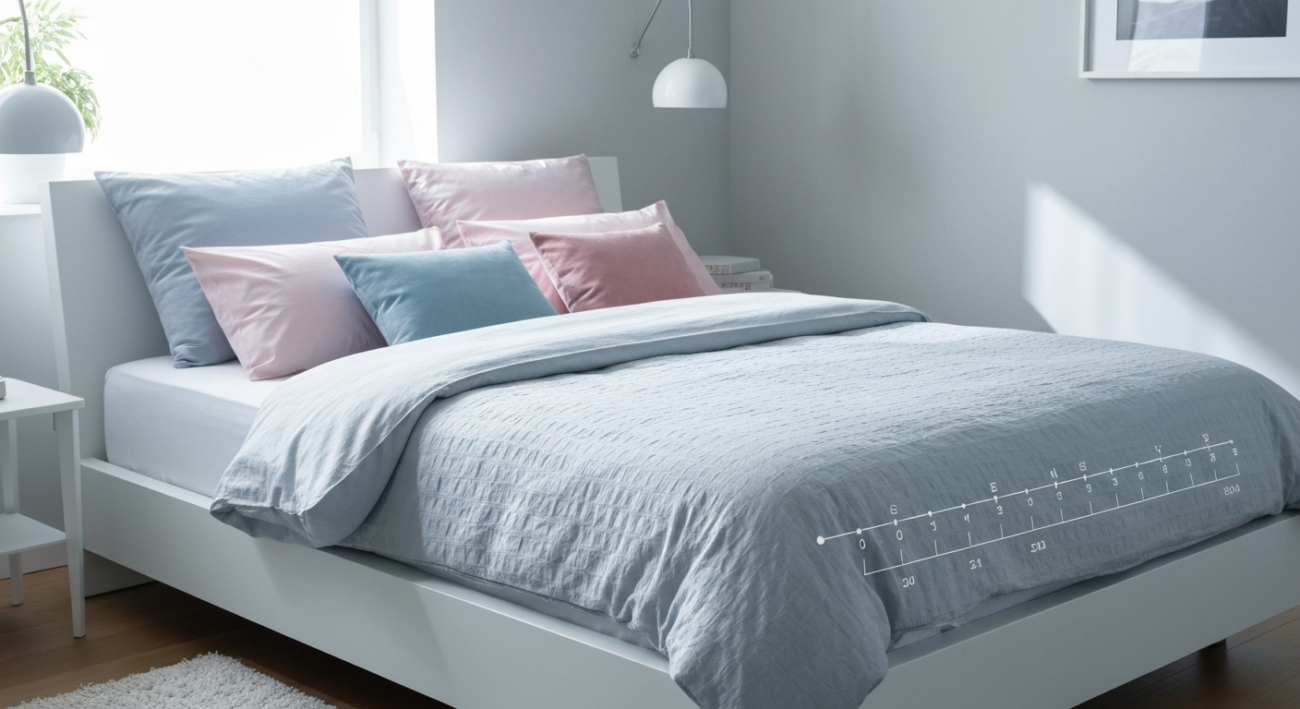
The Average Lifespan of Your Mattress
On average, a mattress lasts between 7 to 10 years. However, this isn’t a hard and fast rule, as the actual lifespan can vary significantly based on the type of mattress, its original quality, and how well it’s maintained. Understanding these factors can help you gauge when it’s truly time for a replacement.
The Evolution of Sleep Surfaces and Their Durability
For centuries, humans have sought comfortable places to rest. Early mattresses were simple affairs, often sacks filled with natural materials like straw, wool, or feathers. Their longevity was minimal, requiring frequent refreshing or replacement. The 20th century brought significant advancements with the introduction of innerspring coils, offering better support and durability. Later, materials like memory foam and latex revolutionized the industry, promising extended comfort and support. These modern materials drastically changed how long does a mattress last, pushing the average lifespan beyond just a few years to nearly a decade or more for high-quality models. Today, the focus is not just on comfort but also on sustainable materials and advanced technologies that extend a mattress’s functional life.
Understanding Mattress Lifespan in Simple Terms
When we talk about how long does a mattress last, we’re essentially referring to the period it can provide optimal comfort and support before showing signs of wear and tear. This isn’t just about the physical appearance; it’s more about its ability to support your body properly and contribute to restorative sleep. Several factors play a crucial role in determining this timeframe, including the mattress type (innerspring, memory foam, latex, hybrid), the quality of its construction materials, the weight and sleeping habits of its users, and the level of care it receives. Over time, all mattresses will degrade, leading to sagging, lumps, or a decrease in firmness, signaling that their functional lifespan is nearing its end.
Key Insights for Mattress Longevity
Quality Matters for Durability
Higher quality materials and construction often mean a longer-lasting mattress, though proper care is still essential.
Mattress Type Influences Lifespan
Different types, like latex or memory foam, tend to last longer than traditional innerspring models.
Maintenance Extends Life Significantly
Regular rotation, proper cleaning, and using a mattress protector can add years to your mattress’s life.
Listen to Your Body
If you’re waking up with aches, feeling unrested, or notice visible sagging, it’s likely time for a new mattress, regardless of its age.
Why Knowing Your Mattress Lifespan is Crucial
- Replacing your mattress at the right time is vital for maintaining good sleep quality. An old, unsupportive mattress can lead to disrupted sleep and fatigue.
- A worn-out mattress often contributes to back pain, neck pain, and general body aches, negatively impacting your physical health.
- Older mattresses can accumulate allergens like dust mites, dead skin cells, and mold, which can trigger allergies or asthma for sensitive individuals.
- Investing in a new mattress when needed can prevent ongoing discomfort and potential health issues, saving you money on medical treatments in the long run.
- A healthy sleep environment directly supports your overall well-being, mood, and cognitive function. A good mattress is foundational to this.
Practical Steps to Extend Your Mattress’s Life
Rotate or Flip Regularly
To ensure even wear, rotate your mattress 180 degrees every 3-6 months. If your mattress is flippable (many modern mattresses are not), you should flip it as well. This practice helps to distribute body weight more evenly, preventing premature sagging and indentations. It’s a simple habit that significantly impacts how long does a mattress last.
Use a Quality Mattress Protector
A good mattress protector acts as a barrier against spills, stains, dust mites, and allergens. It shields your mattress from daily wear and tear, keeping it clean and hygienic. This simple addition can protect your investment and significantly extend its lifespan, preserving the inner materials from moisture and contaminants.
Clean Your Mattress Properly
Regular cleaning is key. Vacuum your mattress every few months to remove dust and debris. For spills or stains, spot clean immediately with mild soap and water, then allow it to air dry completely. For a deeper clean, consider professional services. Learning how to keep a mattress clean longer after steam cleaning can provide excellent results, but it’s also important to understand if steam cleaning a mattress is safe for your specific mattress type before proceeding.
Provide Adequate Support
Ensure your mattress rests on a proper foundation or bed frame. A weak or inappropriate base can cause your mattress to sag prematurely, especially with heavier models like memory foam or latex. Always check the manufacturer’s recommendations for the correct type of support.
Debunking Common Mattress Myths
All mattresses last exactly 10 years, regardless of type or care.
Reality: While 7-10 years is an average, the actual lifespan varies widely based on mattress type, quality, usage, and maintenance. Some high-quality latex mattresses might last 15 years, while a budget innerspring could wear out in 5-7.
If a mattress looks fine, it’s still providing good support.
Reality: Often, a mattress can lose its supportive qualities and accumulate allergens internally long before visible sagging or wear appears. Pain, discomfort, or disrupted sleep are better indicators than visual inspection alone.
Flipping your mattress always extends its life.
Reality: Many modern mattresses are designed with specific comfort layers on top and are not meant to be flipped. Flipping these can actually damage them or reduce comfort. Always check the manufacturer’s instructions; rotation is usually the recommended action for non-flippable models.
Additional Advice for Mattress Longevity
- Avoid eating or drinking in bed to prevent spills and stains that can degrade mattress materials.
- Let your mattress breathe occasionally by pulling back bedding for an hour or two each morning, helping moisture evaporate.
- Control humidity in your bedroom to prevent mold and mildew growth within your mattress.
- Don’t allow pets to sleep directly on the mattress, as their dander, fur, and potential accidents can shorten its life.
- If you notice any small tears or defects, address them quickly to prevent further damage.
Clear Signs It’s Time for a New Mattress
- You wake up with new aches or pains, particularly in your back, neck, or shoulders, that weren’t present before.
- You notice visible sagging, indentations, or lumps on the mattress surface that don’t disappear when you get up.
- You consistently feel more tired or unrested after a full night’s sleep in your own bed compared to sleeping elsewhere.
- Your mattress is noticeably noisy, making creaking or squeaking sounds when you move, indicating internal spring issues.
- You’re experiencing increased allergy symptoms or asthma flare-ups while in bed, potentially due to allergen accumulation.
- The mattress is over 7-10 years old and has seen consistent daily use, even if it doesn’t show extreme outward signs of wear.
Final Thoughts on Mattress Longevity
Understanding how long does a mattress last is crucial for both your sleep quality and overall health. While the average lifespan is 7-10 years, this can be significantly influenced by the mattress type, quality, and your commitment to proper care. By following simple maintenance routines like regular rotation, using a protector, and keeping it clean, you can often extend its life. However, paying attention to the signs your body gives you – like new aches or restless nights – is the most reliable indicator that it’s time to invest in a new mattress for continued comfort and support. Prioritizing your sleep health means knowing when to say goodbye to an old mattress.
