
Introduction
Cloud storage has become incredibly popular, offering convenience and accessibility for our digital lives. Services like Google Drive, Dropbox, and iCloud are household names. But what if you’re looking for something different? Perhaps you’re concerned about privacy, want more control over your data, or simply prefer to avoid subscription fees. Thankfully, there’s a whole world of excellent cloud storage alternatives out there waiting to be explored. This guide will walk you through some of the best options, helping you find the perfect fit for your specific needs. It’s time to take charge of your data storage.
Why This List Matters
Choosing the right storage solution is critical in today’s digital age. Relying solely on one provider, especially a major cloud service, might not always align with your priorities. This list of cloud storage alternatives matters because it empowers you with choices. You can explore options that offer enhanced security, greater data sovereignty, or even one-time purchase models instead of recurring costs. Understanding these different approaches allows you to build a more robust, private, and personalized data management strategy. Don’t limit yourself to the obvious choices; discover the diverse landscape of secure data solutions.
The List
1. Reliable Local Storage: External Hard Drives & SSDs
External hard drives (HDDs) and solid-state drives (SSDs) are among the most straightforward cloud storage alternatives. They connect directly to your computer, providing a physical location for your data. HDDs offer vast storage capacities at a lower cost per gigabyte, ideal for large media libraries. SSDs, while more expensive, are significantly faster and more durable due to their lack of moving parts. Both provide complete control over your data, as it never leaves your physical possession. For optimal security, consider encrypting these drives. They are excellent for local backups and transporting large files without an internet connection.
2. Your Private Cloud: Network Attached Storage (NAS)
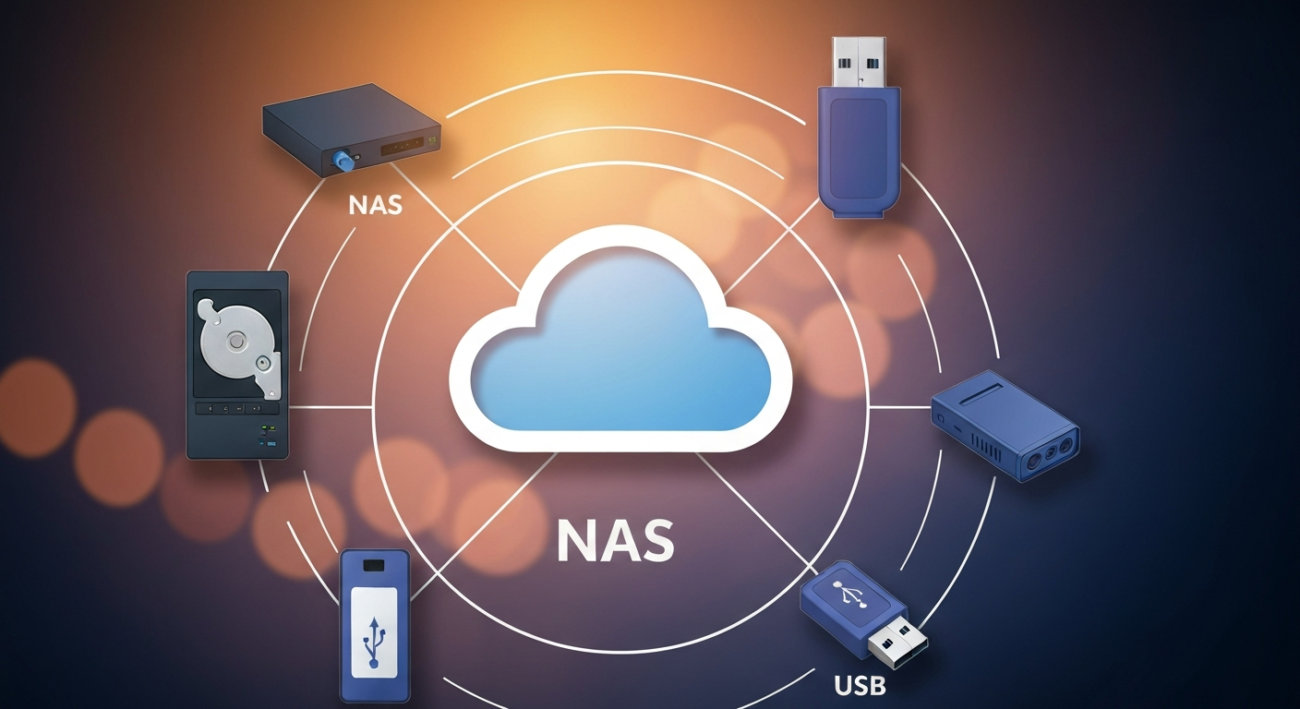
A NAS is essentially a small computer dedicated to file storage and sharing over a network. Think of it as your very own personal cloud. You purchase the hardware and hard drives, configure it, and access your files from any device on your home network, or even remotely with proper setup. Many NAS devices offer advanced features like automatic backups, media streaming, and even hosting your own websites or applications. They give you full ownership and control, making them fantastic cloud storage alternatives for families, small businesses, or tech-savvy individuals who prioritize privacy and flexibility. Popular brands include Synology and QNAP.
3. Full Control with Self-Hosted Cloud Solutions
For those with a bit more technical know-how, self-hosting a cloud solution is a powerful alternative. Software like Nextcloud allows you to turn your own server (which could be an old PC, a Raspberry Pi, or a virtual private server) into a private cloud. It provides features very similar to commercial cloud services, including file synchronization, sharing, calendaring, and even video calls. The main advantage is that your data resides entirely on hardware you own and control. This gives you unparalleled privacy and customization options. While it requires an initial setup effort, the long-term benefits of data sovereignty are significant, making it one of the most robust cloud storage alternatives.
4. Embrace Decentralization: Peer-to-Peer Storage
Decentralized storage networks represent a cutting-edge approach among cloud storage alternatives. Services like Storj, Filecoin, and Sia distribute your encrypted data across a global network of independent “nodes” or computers, rather than storing it on a central server farm. This distributed nature enhances security and resilience, as there’s no single point of failure or centralized entity to compromise. Your data is broken into pieces, encrypted, and spread across many different locations. While still a newer technology, it offers a compelling vision for a more private and robust internet, often leveraging blockchain technology for security and transparency.
5. Portable & Convenient: USB Flash Drives & Portable SSDs
For smaller amounts of data or files you need to carry with you constantly, USB flash drives and portable SSDs are simple yet effective cloud storage alternatives. Flash drives are ubiquitous, affordable, and come in various capacities. Portable SSDs offer faster speeds and greater durability, though at a higher price point. They are perfect for transferring documents, presentations, or a few media files between devices without relying on the internet. Always remember to practice safe data handling; keep sensitive data encrypted, and consider having backups, as these devices can be easily lost or damaged.
6. Long-Term Archiving: Optical Media
For data that you need to store for very long periods and rarely access, optical media like Blu-ray discs or specialized M-Discs offer a robust solution. While slower to write and read, these discs are designed for archival longevity, often boasting lifespans of hundreds of years for M-Discs. They are completely immune to online threats, power failures, and hard drive crashes, as they are offline. This makes them ideal for irreplaceable family photos, critical historical documents, or other data you want to preserve for future generations. They are true “cold storage” cloud storage alternatives.
Honorable Mentions
- Encrypted USB Drives: Pre-encrypted USB drives offer an extra layer of security, often with hardware encryption and PIN access, perfect for highly sensitive data on the go.
- Physical Paper Backups (for critical text data): For truly vital, small pieces of information (like passwords or recovery keys), a securely stored, physical paper copy can be the ultimate offline backup.
Extra Tips
- Always implement a “3-2-1 backup strategy”: 3 copies of your data, on 2 different media types, with 1 copy off-site.
- Encrypt sensitive data, regardless of where it’s stored, using tools like VeraCrypt or built-in OS encryption.
- Regularly test your backups to ensure data integrity and that you can actually restore your files when needed.
- Consider a hybrid approach, combining local storage for frequent access with an alternative cloud or off-site solution for disaster recovery.
Summary
While traditional cloud storage offers great convenience, a multitude of compelling cloud storage alternatives exist for those seeking more control, better privacy, or different cost structures. From reliable local hard drives and powerful Network Attached Storage (NAS) devices that act as your personal cloud, to cutting-edge decentralized networks and highly secure self-hosted solutions, there’s an option for everyone. Even simple USB drives and archival optical media play important roles in a comprehensive data strategy. By exploring these options, you can build a more secure, resilient, and personalized system for managing your invaluable digital information. Take the time to evaluate which of these options best aligns with your priorities, ensuring your data is always safe and accessible on your terms.
