
What This Solves
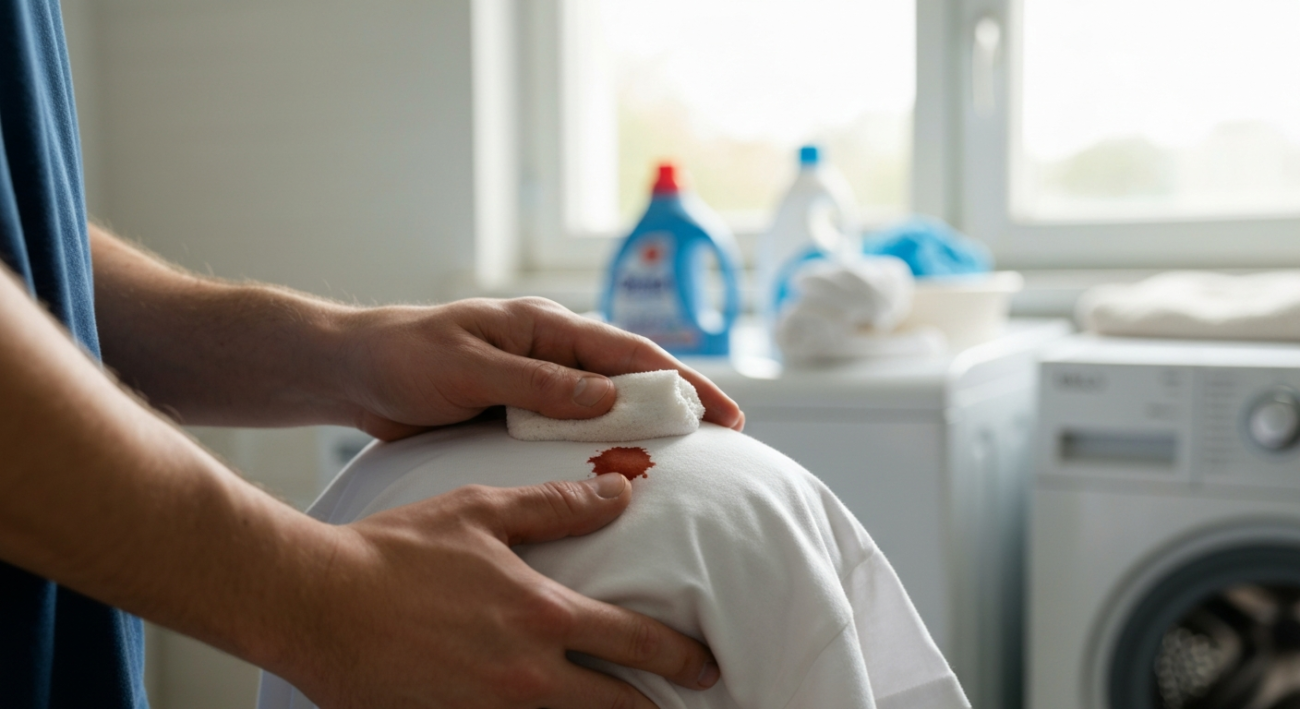
Accidental blood stains on clothing can be a real headache. They can seem daunting, especially if you think the item is ruined forever. This guide offers practical, easy-to-follow steps to tackle blood stains effectively, helping you save your favorite clothes from being discarded. Whether it’s a small cut, a nosebleed, or another mishap, knowing how to react quickly and correctly can make all the difference. You don’t need expensive special products; often, everyday household items are all it takes to restore your garments.
Why the Problem Happens
- Everyday cuts and scrapes, especially if not bandaged quickly or if bandages shift, can lead to blood transfer onto fabric.
- Nosebleeds are a common culprit, often catching us off guard and resulting in drips onto shirts, bedding, or other textiles.
- Accidental bumps or minor injuries can unexpectedly cause bleeding, staining whatever clothing is nearby.
- For parents, children’s playtime can often involve minor scrapes that end up on their clothes or even yours.
- Cooking mishaps or household projects sometimes result in small cuts that bleed onto clothing without immediate notice.
Items You May Need
- Cold water (essential for fresh stains)
- Hydrogen peroxide (3% solution)
- Salt
- Cornstarch
- Baking soda
- Dish soap or laundry detergent
- Old toothbrush or soft brush
- Clean cloths or paper towels
- Enzyme-based stain remover (optional, for tough stains)
- White vinegar
Easy Home Fixes
- Act Fast with Fresh Blood: The absolute best way to get blood out of clothes is to act quickly. As soon as you notice a fresh blood stain, rinse the affected area under cold running water. Cold water helps prevent the blood from setting into the fabric fibers. Turn the garment inside out and run water through the back of the stain. This pushes the blood out rather than further into the material. Gently rub the fabric together under the water. Avoid hot water at all costs, as heat will set the stain permanently.
- Salt and Cold Water Paste (for fresh stains): For slightly more stubborn fresh stains, create a thick paste using salt and a small amount of cold water. Apply this paste directly onto the blood stain. Gently rub it in, allowing the abrasive salt to help lift the blood. Let it sit for a few minutes, then rinse thoroughly with cold water. Repeat if necessary. Salt helps to break down and lift the blood pigment.
- Hydrogen Peroxide (for fresh and dried stains): Hydrogen peroxide is a powerful ally for removing blood stains, especially on white or light-colored fabrics. Test it on an inconspicuous area first to ensure it doesn’t bleach the fabric. Pour a small amount of 3% hydrogen peroxide directly onto the stain. You’ll often see it fizz, which means it’s working to break down the blood. Let it sit for a few minutes, then blot with a clean cloth. Rinse with cold water. For dried stains, you might need to let it soak for 15-30 minutes. Be cautious on dark or delicate fabrics.
- Cornstarch or Baking Soda Paste (for dried stains): For dried blood stains, a paste made from cornstarch or baking soda can be very effective. Mix two parts cornstarch or baking soda with one part cold water to form a thick paste. Apply a generous layer over the entire dried stain. Let it dry completely, ideally in the sun, which can also help with bleaching. Once dry, scrape off the paste with a spoon or dull knife. The dried paste should lift the blood with it. Finish by rinsing and washing the garment as usual.
- Dish Soap and Cold Water: A simple mixture of dish soap and cold water can also work wonders, especially on smaller or newer stains. Apply a few drops of dish soap directly to the stain. Rub it gently with your fingers or a soft brush (like an old toothbrush). Let it sit for about 10-15 minutes, then rinse thoroughly with cold water. The grease-fighting properties of dish soap can help break down the protein in the blood.
- White Vinegar Soak (for tougher stains): If other methods haven’t fully removed the stain, try soaking the item in a solution of equal parts white vinegar and cold water. Let it soak for an hour or even overnight for very tough stains. The acetic acid in vinegar helps to break down the blood. After soaking, rinse well and proceed with a normal cold-water wash cycle using your regular detergent.
- Enzyme Cleaners: For persistent or very set-in blood stains, an enzyme-based stain remover can be a lifesaver. These products contain enzymes that specifically target and break down protein-based stains like blood. Follow the product instructions carefully. Typically, you’ll apply it to the stain, let it sit for a recommended time, and then wash as usual in cold water.
- The Final Wash: After treating the stain with any of the above methods, always wash the garment in cold water with your regular laundry detergent. Before drying, check the garment to ensure the stain is completely gone. If any trace remains, repeat the treatment process. Never put a blood-stained item in a dryer or use hot water for washing until the stain is fully removed, as heat will permanently set the stain. Air drying is often the safest bet until you are sure the stain is gone.
Safety Tips
- Always wear gloves when dealing with blood, especially if it’s not your own, to protect against potential pathogens.
- Test any cleaning solution, especially hydrogen peroxide, on an inconspicuous area of the garment first to check for colorfastness or bleaching.
- Ensure good ventilation when using stronger cleaning agents or stain removers to avoid inhaling fumes.
- Keep all cleaning products out of reach of children and pets.
- Avoid mixing different cleaning chemicals, as this can create dangerous reactions.
When to Call a Pro
- If the blood stain is on a delicate or ‘dry clean only’ fabric, such as silk, wool, or certain embellished items, it’s best to take it to a professional cleaner.
- For very valuable or antique garments, attempting DIY stain removal might cause irreversible damage, so a professional is recommended.
- If the stain is exceptionally large, old, and dried, and all home remedies have failed, a professional cleaner might have access to stronger, specialized treatments.
- When dealing with biohazardous blood (e.g., from a significant injury or unknown source), professional biohazard cleaning services are necessary, not just for the garment but the surrounding area.
Summary
Dealing with blood stains on clothes doesn’t have to be a nightmare. By acting quickly, using the right cold-water techniques, and leveraging common household items, you can effectively get blood out of clothes and restore your garments. Remember, fresh stains are always easier to tackle than dried ones. Always double-check that the stain is completely gone before exposing the item to heat, which can permanently set the stain. With these tips, you’ll be well-equipped to handle future blood-staining mishaps with confidence.
