
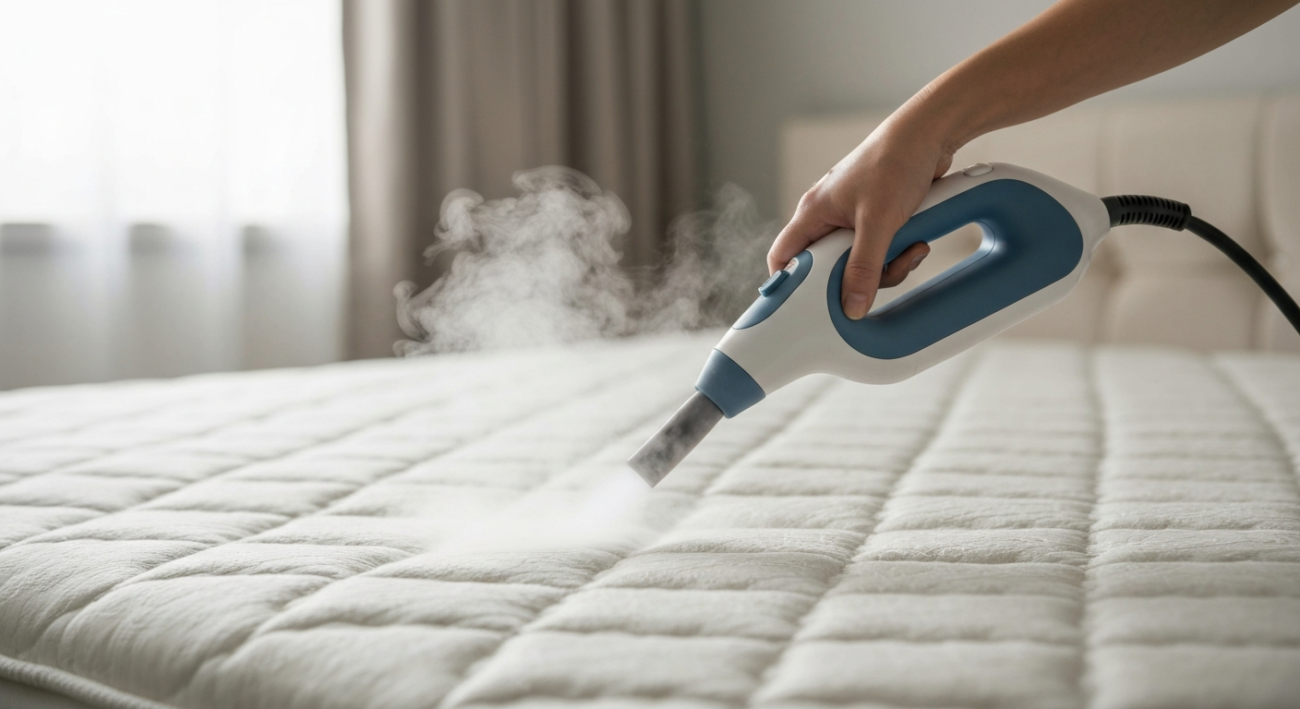
Unraveling the Mattress Cleaning Mystery
One common question that pops up for homeowners is, “Do You Need a Special Steam Cleaner for Mattresses?” Many people want to keep their sleeping environment fresh and hygienic. They often wonder if their existing steam cleaner is up to the task or if they need to invest in a specialized, expensive gadget. This guide cuts through the confusion. We’ll clarify what kind of steam cleaner is suitable for mattress cleaning. We’ll also share practical steps to effectively refresh your mattress. Our aim is to help you maintain a clean bed without unnecessary purchases. You can achieve a healthier sleep space with the right approach and equipment.
Why Mattress Cleaning Can Seem Complicated
- There’s a lot of marketing for specialized cleaning tools. This can make you think you need something unique for every surface.
- Concerns about damaging the mattress are valid. People worry about moisture, heat, or harsh chemicals affecting the material.
- Mattresses are expensive investments. Homeowners naturally want to protect them while ensuring they are clean.
- Understanding different types of steam cleaners can be confusing. Not all steam cleaners are created equal, and some are better suited for certain tasks.
- Fear of introducing mold or mildew if the mattress doesn’t dry properly after cleaning is a big deterrent. This makes people cautious.
Your Mattress Cleaning Toolkit
- A handheld or canister steam cleaner (many general-purpose models work well).
- Distilled water (to prevent mineral buildup in your steam cleaner).
- Clean microfiber cloths or towels.
- A vacuum cleaner with an upholstery attachment.
- Baking soda (for odor absorption).
- A spray bottle with a mild enzymatic cleaner or diluted white vinegar for spot treatments.
- Fans or a dehumidifier to aid in drying.
Simple Steps for a Fresh Mattress
- Start by thoroughly vacuuming your entire mattress. Use the upholstery attachment to remove dust mites, dead skin cells, and surface debris. Don’t forget the sides and seams.
- Pre-treat any visible stains. Mix a small amount of mild detergent or an enzymatic cleaner with water in a spray bottle. Lightly mist the stain, then gently blot it with a clean cloth. Avoid saturating the area.
- Fill your steam cleaner with distilled water. Ensure you follow the manufacturer’s instructions for operation. Choose a low-pressure setting if available.
- Test a small, inconspicuous area of your mattress first. This helps ensure the steam doesn’t cause any discoloration or damage. Wait a few minutes to check for adverse reactions.
- Lightly steam the mattress in small sections. Move the nozzle quickly over the surface. The goal is to sanitize and freshen, not to soak the mattress. Over-wetting is the biggest mistake you can make. For a complete, step-by-step process on effective steam cleaning, check out this detailed guide on how to clean a mattress with a steam cleaner.
- Immediately follow up by blotting the steamed area with a clean, dry microfiber cloth. This absorbs excess moisture and lifts away loosened dirt.
- Sprinkle a thin layer of baking soda over the entire mattress surface. Let it sit for several hours, or even overnight. Baking soda is excellent for absorbing odors and moisture.
- Vacuum up all the baking soda. Ensure no residue is left behind. This step helps leave your mattress smelling fresh and clean.
- Allow your mattress to air dry completely. This is crucial. Open windows, use fans, or even a dehumidifier to speed up the drying process. Ensure it’s bone dry before putting sheets back on. This prevents mold and mildew growth.
Important Safety Tips
- Always ensure good ventilation in the room. Open windows and doors to allow air circulation during and after cleaning.
- Avoid over-wetting the mattress at all costs. Excess moisture can lead to mold, mildew, and damage to the mattress’s internal structure.
- Read your mattress manufacturer’s care instructions. Some mattresses, like certain memory foam or natural latex types, may not be suitable for steam cleaning.
- Test any cleaning solution or steam in an inconspicuous area first. This prevents potential damage or discoloration.
- Allow the mattress to dry completely before use. This might take several hours, so plan your cleaning day accordingly.
- Never use harsh chemical cleaners with your steam cleaner. Stick to distilled water or very mild, approved solutions.
When to Call a Professional
- If your mattress has extensive water damage or a severe spill that has soaked deep into the layers, professionals have specialized drying equipment.
- When you discover mold or mildew growth. Professionals have the right tools and products to safely remove mold without spreading spores.
- For stubborn, set-in stains that household methods can’t remove. Professional cleaners often use stronger, yet safe, stain removal techniques.
- If you suspect a bed bug infestation. Steam cleaning can kill some bed bugs, but a full infestation requires expert pest control to eradicate completely.
- When your mattress is extremely old or delicate. A professional can assess the risk and determine the safest cleaning method.
- If you own a specialty mattress with specific care requirements that you’re unsure how to meet yourself.
Achieve a Cleaner Mattress Today
So, Do You Need a Special Steam Cleaner for Mattresses? The good news is, probably not. Most standard handheld or canister steam cleaners can effectively clean and sanitize your mattress. You don’t need a highly specialized or expensive ‘mattress steam cleaner.’ The key is to use the right technique. Focus on light passes, avoid over-wetting, and ensure thorough drying. By following these easy home fixes and important safety tips, you can maintain a clean, fresh, and hygienic sleeping environment. This proactive care not only extends the life of your mattress but also contributes to better sleep and overall health. Remember, when in doubt, or for severe issues, don’t hesitate to reach out to a professional.
