
Quick Answer: Is Steam Cleaning Safe for Your Mattress?
Steam cleaning can be a highly effective way to sanitize and refresh a mattress. However, improper technique or excessive moisture can indeed ruin a mattress by fostering mold growth, damaging internal components, or causing fabric discoloration. It’s crucial to use the right approach to prevent damage.
The Evolution of Mattress Care and Cleaning
Mattresses have come a long way from simple straw-filled sacks. Modern mattresses are complex structures made from various materials like memory foam, latex, innerspring coils, and intricate fabric covers. This evolution means that while we enjoy greater comfort and support, cleaning them has also become more nuanced. For generations, airing out mattresses and beating them was standard practice. Today, with increasing awareness of allergens, dust mites, and bacteria, people seek more thorough cleaning methods. Steam cleaning emerged as a popular option, promising deep sanitization without harsh chemicals. But with this powerful tool comes a critical question: is it always safe for something as vital as your bed?
Understanding Mattress Steam Cleaning in Simple Terms
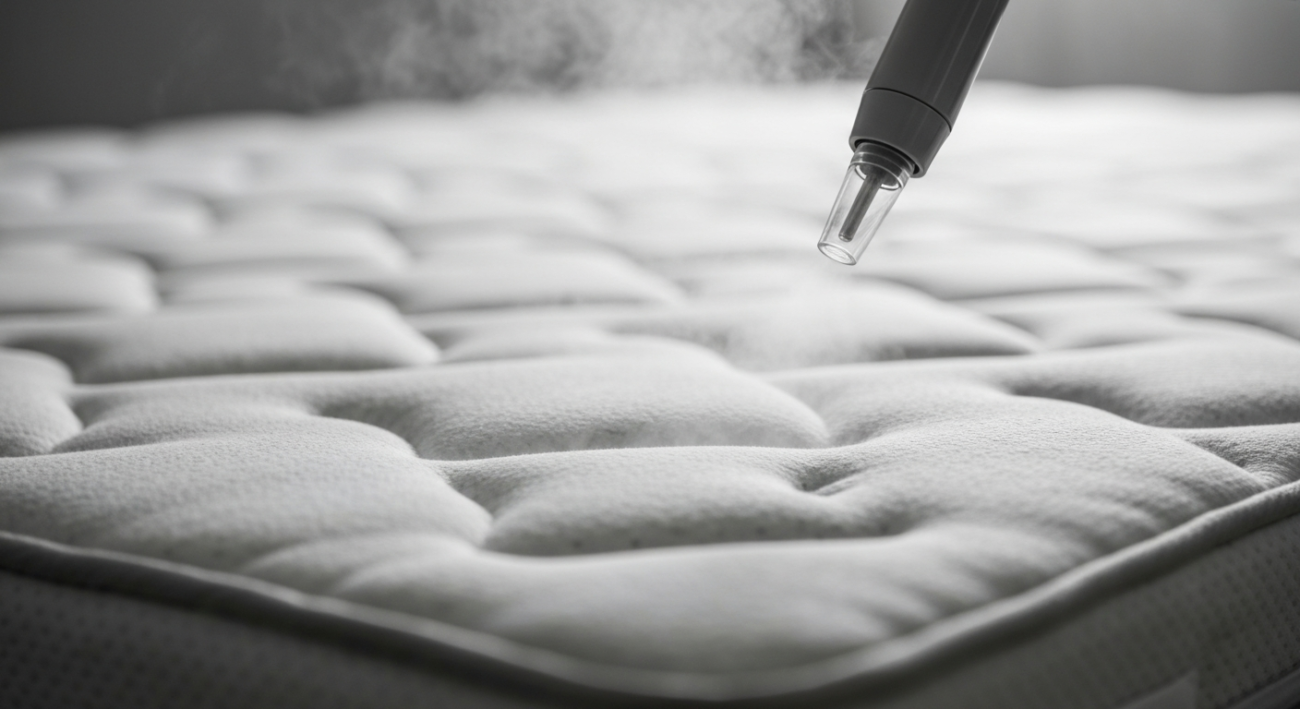
Steam cleaning a mattress involves using a machine that heats water to a very high temperature, producing steam. This steam is then directed onto the mattress surface. The heat and moisture work together to break down dirt, kill bacteria, viruses, dust mites, and dissolve odors. It’s a chemical-free method, which appeals to many people concerned about harsh cleaning agents. The idea is that the high temperature sanitizes effectively, and because it’s steam, it uses less water than traditional wet cleaning. However, the ‘less water’ part is key. If too much moisture penetrates the mattress core, it can lead to problems. Understanding the correct procedure is vital for a successful outcome. For a detailed guide on how to safely approach this, you might find this article helpful: how to clean a mattress with steam cleaner.
Key Takeaways for Safe Mattress Steam Cleaning
Moisture is the Enemy
Excessive moisture is the primary risk factor when steam cleaning a mattress, leading to mold and mildew.
Know Your Mattress Type
Different mattress materials react differently to steam; foam and latex require extra caution due to their absorbency.
Proper Technique is Crucial
Using a low-moisture steam cleaner, working quickly, and ensuring adequate drying time are essential steps.
Patch Test First
Always test a small, inconspicuous area of your mattress for colorfastness and material reaction before a full cleaning.
Why Mattress Integrity is Important for Your Health and Wallet
- A damaged mattress can lead to an uncomfortable sleep surface, negatively impacting sleep quality and potentially causing back pain.
- Mold and mildew growth within a wet mattress poses significant health risks, triggering allergies, respiratory issues, and other illnesses.
- A ruined mattress means an unexpected and often costly replacement, which can be a substantial financial burden.
- Maintaining mattress hygiene extends its lifespan, ensuring you get the most out of your investment.
- Sanitizing your mattress correctly reduces allergens and dust mites, contributing to a healthier home environment.
How to Safely Steam Clean Your Mattress and Avoid Damage
Choose the Right Steam Cleaner
Not all steam cleaners are created equal for mattresses. Opt for a low-moisture model, often called a dry vapor steam cleaner, which produces superheated, almost dry steam. These machines minimize water saturation, significantly reducing the risk of wetting the mattress too deeply. Avoid carpet cleaners or wet vacuum cleaners that inject a lot of water.
Prepare Your Mattress Thoroughly
Before any steam touches your bed, vacuum the entire mattress surface using an upholstery attachment. Pay close attention to seams and crevices where dust mites and debris accumulate. This pre-cleaning step removes loose dirt and makes the steam cleaning more effective without turning dust into mud.
Use Proper Technique and Moderation
Work in small sections, moving the steam cleaner wand quickly and continuously across the surface. Do not hold the steam in one spot for too long, as this will over-saturate the area. A quick pass is usually enough to sanitize. For stubborn stains, a quick second pass might be needed, but always prioritize minimal moisture. Ensure good ventilation in the room.
Ensure Complete Drying
This is arguably the most critical step. After steam cleaning, your mattress must dry completely before you put on sheets or covers. This can take several hours, or even a full day, depending on humidity and how much moisture was introduced. Open windows, use fans, or even a dehumidifier to expedite the drying process. Do not rush this step; even slightly damp areas are prime breeding grounds for mold. Check all sides and edges before re-making the bed.
Common Myths About Mattress Steam Cleaning Debunked
Steam cleaning kills 100% of everything instantly.
Reality: While steam is highly effective against many pathogens and dust mites, complete eradication depends on temperature, contact time, and proper technique. It significantly reduces, but might not eliminate every single microscopic organism.
All mattresses can be steam cleaned without issue.
Reality: Certain mattresses, especially those with very dense foam or delicate materials, are more susceptible to moisture damage. Always check your mattress manufacturer’s cleaning instructions before attempting any deep cleaning method.
More steam means a cleaner mattress.
Reality: Using too much steam or holding it in one place for too long introduces excessive moisture, which is the leading cause of mattress damage and mold growth. Less is often more when it comes to steam on a mattress.
A fan will dry the mattress quickly enough.
Reality: While fans help, thorough drying takes time. The internal layers of a mattress can retain moisture long after the surface feels dry. Adequate airflow combined with ample time is necessary for complete drying.
Helpful Extra Tips for Mattress Longevity
- Always use a mattress protector. This barrier can prevent spills, sweat, and allergens from penetrating the mattress layers, making surface cleaning much easier.
- Spot clean spills immediately using a mild detergent and a damp cloth, then thoroughly blot dry.
- Rotate or flip your mattress regularly according to manufacturer guidelines to ensure even wear and extend its life.
- Vacuum your mattress regularly, perhaps once a month, to remove surface dust, skin flakes, and dust mites.
- Air out your mattress periodically by stripping the bed and letting it breathe for a few hours, especially after cleaning.
- Consider professional mattress cleaning services for very deep stains or if you’re unsure about DIY methods.
When You Should Be Concerned About Mattress Damage
- You notice a persistent musty smell emanating from the mattress, even after it appears dry. This is a strong indicator of mold or mildew growth.
- There are visible dark spots or discoloration on the mattress surface or sides that weren’t there before, potentially mold colonies.
- The mattress feels significantly heavier or spongy in certain areas, suggesting retained water deep within the layers.
- You experience new or worsened allergic reactions (sneezing, coughing, skin irritation) while in bed, which could point to hidden mold or increased dust mites from dampness.
- The mattress loses its structural integrity, sagging excessively in areas where it was steam cleaned, indicating damage to foam or support layers.
- If you are unsure about the safety or effectiveness of your cleaning efforts, it’s better to consult a professional cleaner to assess the situation.
Final Summary: Steam Cleaning Your Mattress – A Balanced View
Ultimately, the question of “Can steam cleaning ruin a mattress?” has a nuanced answer: yes, if done incorrectly, but no, if done with care and knowledge. Steam cleaning offers a fantastic, chemical-free way to sanitize and refresh your sleeping environment. The key to success lies in controlling moisture, understanding your mattress material, and ensuring complete drying. By choosing the right equipment, preparing properly, and applying careful technique, you can harness the power of steam to maintain a clean, healthy mattress without the risk of damage. Always prioritize your mattress’s longevity and your health by taking a cautious and informed approach to deep cleaning.
